Almost all the old historians of Gadsden state that John Riley built the house he lived in. They state that Gabriel Hughes purchased it from him about 1840. A Post Office was established called Double Springs. The earliest of these histories is a book at the Gadsden Public Library titled A Little Book About Gadsden, Alabama. Written and Published by the Department of Archives and History of the Woman’s Club of Gadsden, 1938. This book seems to be the base of all the histories that followed. On page 14-15 they state;
In 1836 there stood at Double Springs a story and a half log house, built by half breed Indian John Riley. Here, from Huntsville on its way to Rome Georgia, the stage coach stopped and delivered the mail. The Postmaster, William Walker, had purchased the house from the Indian. When young Gabriel Highes arried here in 1840 he bought the log house and settled in it with his wife, Asenath Young Hughes, and his brother, Joseph.1
The book does have several errors. In 1938, they were working with the information they had. This has that Riley sold his house to William B. Walker. Walker sold it to Gabriel Hughes. John Riley stated he was not paid for his houses and improvements (three farms). He listed these in Turkey Town Valley. (See Claims posted earlier). So no one bought it from Riley.
There are no stagecoach routes recorded in historic documents. Postal routes and road improvement are recorded. (I will share those that deal with this location later). Today, we have the digital world of information to sort through. We did look at who built this house, which is probably not John Riley. What can we prove? This house is set in Township 12, Range 6, Section 4, SE 1/4 of the NE 1/4. Did Leath buy this from the US Government? Or, did Gabriel Hughes buy it? Or did these people just move into “free stuff”? (No one bought it from the Indians.)
Map section from the website of the US Bureau of Land Management General Land Office Records, Survey 1839. Plotting added from the Track book images for sections 3 and 4, Township 12, Range 6.
It appears that John C. Leeth owns the property where John Riley’s house is located. Leeth stated he had the property by 1838. John Riley is on the transportation pay list. He is set to move to the west on his own. This move is scheduled during the months of May through October, 1838. See the earlier post. Riley is not on any of the detachment lists on the Trail of Tears.
John C. Leeth is on the 1840 census at or near this location. His brother James bought the A and B fractions on the East side of the Coosa River. His son Ranburn bought the NW 1/2 of the NW 1/4 by 1851. John C. Leath moved sometime before 1850 to Turkeytown between Dr. John C. White and Stephen R. Hood. Today, this is just north of the intersection of Broken Arrow Drive and US 411. John Leath’s son Ranburn will move to the Turkeytown location as well.2 None of our early historians speaks of the Leeth family. John Riley does not speak of Leeth or Hughes.
The following is from the Track book of the Bureau of Land Management General Land Office Records’ website. These are the listings of the original purchasers of the property.
Click on the images to bring them up larger. The left column on the second image of each section contains notes. These notes show when the buyer has taken possession of the property. PE ’38 is Pre-Exemption 1838. John C. Leeth, Gabriel Hughes, and Joseph Hughes state 1838. But notice that Gabriel Hughes’ purchase is west of the John Riley house. Notice that Joseph Hughes’ purchase is South of the John Riley house. Of note is that the price is $1.25 per acre. Gabriel and Joseph Hughes have someone buying for them. Joseph’s purchases are the closest to the Riley house. It is all called Double Springs.
Questions
What does this have to do with the history of Turkey’s Town and Gadsden? If John C. Leeth is in the house before Gabriel Hughes then it changes the history. That would be important if I were a descendant of John C. Leeth. Double Springs Post Office. Who bought what? What happened to William B. Walker? The Etowah Abstract Company just might have the answer to “who bought the Riley house from the US Government”. We also need to explore the “ferry.” It plays a part in the history of the founding of the City of Gadsden. Postal routes and the ferry.
John Riley and his farms are notable to the history of New Seneca Turkey’s Town, and the City of Gadsden.
A Little Book About Gadsden, Alabama. Written and Published by the Department of Archives and History of the Woman’s Club of Gadsden, 1938. Page 14-15 , Gadsden Public Library, Gadsden, Alabama. ↩︎
Documented from US Census Records 1850, 1860, 1870, 1880, and 1900. Cherokee and Etowah County, Alabama, John Clark Leath family page. John Clark Leath Male 1801 – after 1880 LQR4-QF1 FamilySearch https://www.familysearch.org/en/tree/person/details/LQR4-QF1↩︎
Trust in the Lord with all your heart, and do not rely on your own understanding; in all your ways know him, and he will make your paths straight. Proverbs 3: 5-6 CSV
John Riley is a notable person of Turkey’s Town. He was half Cherokee and half white. I am not going to go into his genealogy. This post will focus on his involvement in his farms. These farms will be known as the Double Springs, Turkey Town Valley, Cherokee County, Alabama. How it became Gadsden, Alabama.
There are several written histories of the City of Gadsden. All stating that John Riley’s house was the first house of Gadsden and that Gabriel Hughes purchased it. His son Joseph R. Hughes was the first white child to be born in Gadsden. The location of his house is at the intersection of North 3rd Street/Tuscaloosa Avenue/Reservoir Street/Ewing Ave. The house faced Tuscaloosa Avenue. At this location was the first Post Office of Gadsden.1 It was known as Double Springs and was established on 28 January 1833. The Postmaster is William B. Walker. The post office originally was in St Clair County.2 Cherokee County was established in January 1836.
The Postal records have William B. Walker as Postmaster, 1833. Is he living in John Riley’s house? John Riley is operating a “stand” out of his house. L.V. Bierce, in his journal, does not mention paying a toll to cross Black Creek. He does mention the “stand”. This was in 1823. A stand is a stop for travelers.
April 4. Struck our tent and went sixteen miles to Rileys stand, two miles farther and crossed Black Creek, a deep muddy, sluggish stream that takes its name from the tenge the earth gives the water. Three miles from Black Creek we encamped. 21 ml3
“Toal (Toll) Bridge”
4 Did you notice that the note added from Beaver Tail stated that John Riley had died? Dated March 1845. He died between 1842 and 1845.
The above claim was made by John Riley in 1842. It is from Tahlequah District Claim #193 dated March 8, 1842. It provides a lot of information. The Toal (Toll) Bridge is 2 miles from his residence. It is over Black Creek. The “Stand” as stated by Beirce is 2 miles from Black Creek. (I have driven from the intersection to Black Creek on Tuscaloosa Ave, it is 2 miles today.)The “Stand” is John Riley’s residence. So William B. Walker is the Postmaster at the time the PO is established. He may be living in one of Riley’s houses. Yet, he is most likely to have his own on the East side of the Coosa River. (See the Walkers involved with the ferry and other property on the Coosa in the claim with the ferry). Riley has 3 farms with several houses, the toll bridge, and a ferry. Walker will have ownership of quite a bit of Riley’s property. This is after Riley leaves for the West. The ferry on the Coosa River will be called Walker’s Ferry. Notice that others are involved with this toll bridge. They are called the “company”. Richard Ratliff, (this is Richard Ratliff Jr., who is married to Chief Pathkiller’s daughter.) Money Crier alias Money Hunter and Cul-qua-tay-kee. Cul-qua-tay-kee was the Cherokee name of Turner, the son of Widow Boot and Boot, the Creek Interpreter for Little Turkey. Boot and Turner were discussed in an earlier post. The Widow Boot is the one originally in the company. She died at Fort Payne during the Trail of Tears 1838. One other outstanding item in the above claim is the value. $4000 is today’s equivalent of $158,108. The next claim shows what else is at the bridge farm.
You can click on the images to make them larger. If you can read cursive writing, they are easy to read. You may have to look up some of the terms. “Puncheon” is a method for flooring made from a log shaved flat by an adze. The stand is one of the houses on one of John Riley’s three farms. These farms stretched from Black Creek to the Coosa River and onto the East side of the river. A line separates the farms listed in the claim.
The Farms
6 In this claim, we see the bridge claim again. This time, the Widow Boot is listed. This is before her death. Also is two orther claims. Sanders Chote is the son-in-law of John Riley. Beaver Tail claim. He is married to the niece of Peggy Pathkiller. They are listed in Peggy’s will.
Is the first farm listed on this claim #62 the house where John Riley lived?
John Riley names some white people by name. One of those is Tapley W. Nawl, who was also involved with trying to obtain parts of Peggy Pathkiller’s estate. The others are difficult to locate and follow.
Notice John Riley has property in Tennessee. He received a reservation below the Hiwassee River. This river empties into the TN River below Knoxville TN. John Riley is from Roan County, TN, which is this location. The area today is Kingston, TN. By these statements, John Riley and his family must have moved to the Double Springs after 1817 but before 1823. L.V. Bierce’s statement from above. The Gabriel Hughes family has a tradition. They noted that a man named Powell lived in the house before Riley. Gabriel Hughes will own the house after William B. Walker. More on this in the next post.
8 Part of the Perspective Map of the City of Gadsden, Alabama 18879
John Riley and his family left on their own for the West sometime between the dates listed above. They were not on the Trail of Tears.
Riley’s house, used as the PO, was purchased by a descendant of Gabriel Hughes. It was disassembled and moved to Whorton’s Bend, Etowah County, Alabama. There, it was reassembled as it would have looked in the 1830s. This happened in the late 1990’s.10
Photo from Messenger, July 3, 2002, Taken by Danny Crownover
Next, we will look at how it became Gadsden, Alabama.
A History of Etowah County, Alabama. Etowah County Centennial Committee, Gadsden Alabama, 1968; Part II, History of Gadsden, written & Compiled By Etowah County Historical Society – Joe Barnes, Coordinator, 1966. Pages 220-241. ↩︎
Appointments of U.S. Postmasters 1832-1971, Volume 11 ca. 1832-44, Saint Clair County, Alabama, Ancestry.com↩︎
Travels in the Southland, 1822-1823, The Journal of Lucians Verus Bierce, page 93 ↩︎
1842 Tahlequah District Claim #193 of John Riley dated March 8, 1842, John Ross Collection, Folder #962, The Thomas Gilcrease Institute of American History and Art (a/k/a Gilcrease Museum), Tulsa OK. ↩︎
1838 Claims made Before Emigration; Book A #242 and Book B #121; Tennessee Cherokee Collection, Box 5, Folders 1 and 2, Microfilm Collection 815, Reel 2, frame 25 and frame 75 respectively. Tennessee State Library and Archives, Nashville, TN. ↩︎
Rice and McCoy/Rawlings and Massey’s Valuations, Cherokee County, Alabama, #62, #63, #64, #65; Property Valuations, Entry 224; Records of the Bureau of Indian Affairs, Record Group 75; National Archives Building, Washington, DC. ↩︎
Tahlequah District Claim #194. Folder 815. John Ross Collection. The Thomas Gilcrease Institute of American History and Art (a/k/a Gilcrease Museum), Tulsa OK. ↩︎
National Archive Microfilm M234 Roll 115, Records of the Bureau of Indian Affairs, Record Group 75; National Archives Building, Washington, DC. ↩︎
Messenger, July 3, 2002, The Vagabond, Vagabonding in Histories and Adventures by Danny Crownover, Returning to Gadsden’s First House↩︎
Trust in the Lord with all your heart, and do not rely on your own understanding; in all your ways know him, and he will make your paths straight. Proverbs 3: 5-6 CSV
There are many people named Richard Ratliff who resided in or near Turkey’s Town. There are many stories about Richard Ratliff. I am going to concentrate on Richard Ratliff, who was married to a Cherokee Woman. Richard Ratliff, who moved to Turkey’s Town after he found himself in Alabama and not the Cherokee Nation. Richard Ratliff, who is in an area called Ratliff Valley. Try to answer a question on why he is a “Notable Person” of Turkey’s Town.
First, we find a Richard Ratliff living between Clear Creek and Ratliff Creek. Ratliff Creek is also known as Line Creek due to its proximity to the Alabama-Cherokee border. This area will be on the Cherokee Border in Alabama after it became a State. Alabama became a State in 1819. Richard Ratliff operated a “stand” or trading post at this intersection. The Hightown Path/Creek Path passed by his stand. This path started at Gunter’s Landing on the southernmost point of the Tennessee River. It led to the Double Springs at the Coosa River. Then the Creek Path continues into the Creek land. The Hightown Path takes an east turn to reach Hightown (modern-day Rome, GA). At the Southernmost point of the Tennessee River Fort Deposit was built during the Creek Indian War. This was a supply fort for General Andrew Jackson and the Tennessee Militia. The Path would become the Jackson Military Road.1
A part of Gen. John Coffee’s map, January 1816. At the far right 3 o’clock position is Hightown. Turkey Town is in the center. North of Turkey Town is plotted Ratliff’s. The stream carved through the R on Ratliff’s is big Will’s Creek. The dotted line crossing the Tennessee River with a square block plot for Fort Deposit. The dotted line traveling south marks Jackson’s military road. 2
We learn a lot from the “Ten Island Three Research team”. Three ladies who researched the Cherokee and Friendly Creek Indians during the Creek Indian War. As well as a study on Fort Strother. These three were Charlotte Hood, Betty Sue McElroy, and Patsy Hanvey. Their work produced a book titled Jackson’s White Plumes.
Chapter2, page 19,
In 1800, Cherokee Captain John Brown and his family, including a new baby daughter, lived in Will’s Valley, not far from Ooe-Asah. Twenty five years later in 1825, Rufus Anderson, of the American Board of Commissioners for Foreign Missions, was inspired to write and publish a book on the life of that little daughter. It was entitled Memoir of Catherine Brown, A Christian Indian of the Cherokee Nation. Anderson’s account stated that “John Brown’s residence in 1800 was within the chartered limits of the state of Alabama … between the Raccoon and Lookout mountains, twenty-five miles south-east of the Tennessee River”. This is where John Brown lived when Catharine Brown was born. The Alabama state line that divided the United States from the Cherokee Nation, Between Raccoon and Lookout Mountain in Will’s Valley, in 1825, was Ratliff’s or Line Creek, near present- day Highway 431 in Etowah County. This places John Brown in the vicinity of today’s Attalla, Alabama, in 1800. There is a branch of Clear Creek, below Ratliff’s or Line Creek, identified as Brown’s Creek. It is 25 miles southeast of the southern bend of the Tennessee River {i.e. present day Guntersville AL}.3
The intersection of the streams and crossroads is important. One could continue south, travel east, or west. This is where Richard Ratliff Sr. lived. We see it plotted on the map above. He encountered David Crockett.
David Crockett
We started and went to a Cherokee town about twenty miles off, and after a short stay there we pushed on to the house of a man by the name of Radcliff. He was a white man, but married to a Creek woman, and lived just in the edge of the Creek nation. He had two sons, large, likely looking fellows, and a great deal of potatoes and corn, and indeed almost everything else to go on, so we fed our horses and got dinner with him, and seemed to be doing mighty well. But he was bad scared all the time. He told us that there had been ten painted warriors at his house only an hour before and if we were discovered there they would kill us and his family with us. I replied to him that my business was to hunt for just such fellows as he had described, and I was determined not to go back until I had done it. Our dinner being over, we saddled up our horses and made ready to start.4
After our meeting we went on the Radcliff’s, where I had been before, while out as a spy; and when I had got there, we found he had hid all his provisions; We also got into the secret, that he was the very rascal who had sent the runner to the Indian camp, with the news that the “red sticks” were crossing at the Ten Island; and that this object was to scare me and my men away, and send us back with a false alarm. To make some atonement for this, we took the old scoundrel’s two big sons with us, and made them serve in the war. We then marched to a place which we called Camp Wills; and here it was that Captain Cannon was promoted to a colonel, and Colonel Coffee was promoted to a general.(November 1813) 5
Crockett thought Ratliff was married to a Creek Woman. Richard Ratliff’s children will tell a different story. He was married to a Cherokee Woman. I will let them tell that story a little later.
Chief Pathkiller’s Complaint to Gen Andrew Jackson
The Path Killer (a principal King of the Cherokee nation) complains to Majr Genl Jackson that a part of the East Tennessee troops on their return home from this place went to John Ratliffs – a half breed Cherokee & took Ratliff & a parcel of his negroes perhaps Twenty & some horses, the number not known – They also took from a cherokee by the name of the Whooping boy eight horses – from one El__ a half breed, they took two horses and a mare & colt from an Indian called the Duck. — The Whooping boy is one of the Cherokee of Dick Browns party, who marched himself to Majr Genl Jacksons army and was in the battles of Tallishatchee & Talladega at the latter place he got wounded & was down with his wounds –6
If any thing could have been proved against old Rattcliff, of any Treason, or hostility …………. I have to request on the receipt of this you will cause old Rattcliff to be liberated, his property returned, and the offenders arrested and punished ……….. Is it not cruel that the whooping boy who fought bravely at Talushatchey and got wounded at the Battle of Talladega – should be plundered, by the east Tennessee troops, whilst confined with his wounds ……To John Cocke from Andrew Jackson.7
John Ratliff, Whooping Boy, and William Ratliff are sons of Richard Ratliff Sr.
John Coffee’s Journal January 1816
10th January (1816) This day traveled to Thompson’s Ferry and lay all night at Capt. Thompson’s. Bill $7.50
11th January Travelled to Young John Brown’s at the foot of the mountain – Lay all night – Paid the bill to amount of $1.50
12th January Travelled to Ratliffe’s – Lay all night
13th January Snowing. We lay all day and night at Ratliffe’s – Paid the bill to amt. $6.50
14th January Set out from Ratliffe’s early in the morning – and arrived at Fort Strother the same evening – Took a house in the old fort and got our supplies from Capt. George Blaik, who resided at the fort with his family.
15th January Reed, who I had engaged as a pack horseman at Ratliffe’s, arrived this day, brought with him a Negro fellow named Jo – The property of Tom Bruner who had been in the Cherokee Nation, and was then on his way home. Sent for Fife.
28th January (1817)….. Crossed Canoe Creek in a canoe and swam the horses – Travelled the road towards Ratliff’s, ten miles, and after traveling in it about five miles struck the road a little sout of the lick ……
29th January A file morning, the first we have had in ten days, statrted early, got to Ratliff’s and bought supplied to carry on, viz ………….. $5.75. Bought a tomahawk at the Old Duck’s – Price $1.008
All of the above are notations from the Creek War 1813-14. It shows that Richard Ratliff Sr. was very involved with Jackson’s army. A notable person. At this time, he lived at what would become the border of the State of Alabama and the Cherokees. Present-day, a few miles north of Attalla, Alabama.
Post the Creek War, why did he move? Where did he move to? The story continues.
Tracing Gen. Andrew Jackson’s Army Across Marshall County, Alabama. A Publication of the Guntersville Historical Society, Tyrus M. Dorman Jr., Editor. Chip Manning, Larry Smith, Danny Maltbie, Pete Sparks, John Oliver Ross. Kindle Direct Publishing. 2025 ↩︎
Jackson’ White Plumes. Charlotte Adams Hood. 1995. Lavender Publishing Company, Bay Minette, Al ↩︎
THE LIFE OF DAVID CROCKETT, The Original Humorist and Irrepressible Backwoodsman. An Autobiography. Chapter 5, page 52. (after the Creeks massacre at Ft Mimms, Aug 31, 1813) ↩︎
Jackson’ White Plumes. Charlotte Adams Hood. 1995. Lavender Publishing Company, Bay Minette, Al. Chapter 6, page 68-73. ↩︎
Trust in the Lord with all your heart, and do not rely on your own understanding; in all your ways know him, and he will make your paths straight. Proverbs 3: 5-6 CSV
We start a new chapter. This will be about notable people in or of Turkey’s Town. These people will introduce us to tragedy, communities, and cities. Uncovering the history of Turkey’s Town.
The first notable person is Charles. He is the nephew of Chief Pathkiller. The notable part of this is whether justice was served or not. Is the complaint below by Chief Pathkiller about Charles? The clip is from the journal of Rev. Daniel Butrick. He visited Turkey’s Town in January 1822. Charles is Chief Pathkiller’s nephew. Chief Pathkiller’s complaint is about his son. The time frame is perfect. Charles was murdered in April of 1821. In the culture of the Cherokee people, for the male, your sister’s children become yours on her death.
Charles’ story is told by correspondents, including an attorney and a Justice of the Peace in Monroe County, Mississippi. It is told by Chief Pathkiller in his correspondence to the US Indian agents to be forwarded to the U.S. President. A trial was scheduled for January 1822. There are no surviving documents to indicate that it ever took place. In November 1822 Chief Pathkiller complained again about no justice. Again, no follow-up documents. I will try to explain the people as we uncover the information.
A little after dark our dear old father, the Path-killer arrived, and seemed rejoiced at seeing us. In conversation he told us that his son had been murdered by the white people – that he had written twice to his father the President repeating it, but could get no answer.1
The information below is from the records in the website, FamilySearch. Images noted in the reel. The spelling and punctuation are as recorded.
Turkey Town in council June 24, 1821 To Charles Hicks friend and brother
I will inform you-I see white people every day of all sorts and I treat them with Justice-Since the war we was friendly and I expected we would have mutual friendship, but now they have killed one my people-my nephew charles you must inform our agent, our agent was just where he is to do justice ask him for the murder when our beloved men put him in that place we were To do justic between each other he ought not refused to get the murder because we are less than they are-when any axident happens of that kind they mainly appehanded us whether it is just or not-my nephew was passing in the white country peacible when he was killed-Mr hicks friend I want you To procide in this as you know what to do in this case-if there should be any mistake in this I want you To regulate this and send it on To the agent. this murder was done on the Bigla near the Choctaw Nation we was informed by a man named Meconnal he was there when charldes was killed the man that killed charles by the name of Morris-when you get answer from Col. Meigs I want you to send it on as soon posble my mind is very much disturb when I hear from you mind will be easy-
Turkey Town
Hick Pathkiller the Boot Rattling goard Ta-Ka-ha-keh the frog . ar-me-yal-hak the cow Boy
Note above. Charles Hicks is Chief Charles R. Hicks. He was Chief Pathkiller’s second. The Boot we have discussed. Ta-Ka-ha-keh is Chief Pathkiller’s son. Colonel Meigs is the Cherokee Indian Agent, Return Jonathan Meigs.
Image 119
To James Meigs Esqr Agent of the Cherokee Nation High wasse Garrison
Zekiel Nash and John Halbert Esqrs Letter June 27th 1821 Subject Datailed circumstance of the murder of – Charles A Cherokee who was killed by Gabriel Morris a White man in Monroe County State of Mississippi on the 10th day of April 1821 said Morris is held to bail for his trail in Jany 1822
State of Mississippi Monroe County June the 27th 1821
To the Agent of the Cherokee Indians
Sir. This is to give you notice of the cherokee of the name Charles of Turkeytown. Together with a detail of the accompanying circumstance of unfortunate fail, which accured in this county, on, or about 18 April 1821-on the 23d June 1821, Gabriel Morris the young man that committed this unfortunate fact, came forward before me one of the Justices of Quorum for said County and surrendered himself a prisoner for the killing of said indian Charles, I then called on John Halert a Justice of the Peace for said County, to aid me in the examination of witnesses. We proceeded, confirmed & took down the testimonies of Solomon McCalahan and Robert McElvna both swore, That on the 10th of April 1821. At a store of Joseph Reed they saw the indian Charles on the horse of Gabrile Morris who told him to get off or he would work him off with a pine limb, but Morris did not do so, but only shoved him off and laid down the limb and took hold of the bridle. The indian also took hold of the bridle, Morris pulled it out of his hand. They both stood a while. The indian stuck Morris on the nose with his finger; then immediately drew his tomahawk and struck Morris on the side of the head a sever blow, Morris ran. The indian pursued him. Morris crossed a fence took hold a hand stick or spike, and struck at the indian across the fence the stick flew out of his hand. Morris again ran and called for help he believed the indian would kill him. Morris however got hold of an other stick and threw it at the indian missed him, but he (morris) fell, recovered(image 121)and crossed the fence back again and fell a second time recovered again got hold of the first hand stick and stood, the indian all the while pursuing wih his tomahawk drawn in a hostile manner and rushed on Morris. Morris struck him the indian two blows to the head, the indian fell, Morris struck him one more blow while down—John McCalahan swore to the same part, from the time Morris started to run except hearing him cry for assistance, saw the circumstance from a distance, Henry Hawkins sayeth on his oath the he saw G. Morris running with the indian after him and saw him turn and strike the indian two or three blows over the head he thinks the second brought him down. they all believe Gabrile Morris had received a very dangerous wound from the indian, which cut through his hat and several folds of a silk handkerchief, and fractured his scull bone-
Benjamin Pollard, sayeth on oath that the indian Charles came with him from black creek in the Cherokee nation and that he appeared to behave very well- Joseph Reed, sayeth, on oath, that he saw Charles the indian in a few hours after he recieved the fatal blow. That Dr. J. V. Tibit of Tuscaloosa first dressed his wound, and he Reed kept Charles the indian in his house, and afforded him every necessary assitance until he died, which was eight days afterwards. During which time the indian appeared to be entirely senseless-the (Rreed) had him buried in a decent manner near the place where he died—Thus Sir-After hearing all the evidence, we are of the opinion that the said Gabriel Morris had no other alternative but to kill or be killed, he regret etremly that he was reduced to that dire dilemma. But so it was the blow that he recieved from the indian with the Tomahawk had stuned him, the blood running down his face, and calling for help and no one rendered, we think he is only guilty of jusifiable homicide-But as the right is not in us to determine in the case, and for the satisfaction, friendship & peace of the relations of the said Charles, and the indian of the Cherokee nation, we have taken the said G. Morris in Recognizance to remain in a certain bounds till the first of January next. (1822) to await if necessary the further process of law, We have no circuit court or Jail in this county. You being the proper person to attend to this business, we send you this notice. And further pray you to give us the earliest information, what you think is further necessary to be done in this case the young man (Morris), wishes to be fairly discharged as early as practicable.
yours Respectfully Ezekiel Nash
June 27th 1821. John Halbert J. P.
N. B. About six weeks after Morris received the wound the indian, I saw a piece of the scull that was on that day taken out of his head, where he received the wound,
Ezekiel Nash
James Meigs is Return Jonathan Meigs, the Cherokee Indian Agent. His name was misspelled or misunderstood. Ezekiel Nash is an attorney. John Halbert is the newly appointed Justice of the Peace for the newly formed District V, Monroe County, Mississippi. Monroe County was created from Marion County, Alabama, when the new state line was drawn for Mississippi and Alabama in 1820-1821.3 This is on the Tombigbee River west of the Alabama state line. Benjamin Pollard is a white man living in Turkey’s Town. It is from his and his family’s name for Pollard’s Bend in Cherokee County, Alabama.
Image 124
(Letter 28 June 1821 of Charles Hicks on behalf of John Ross to Col. Return Meigs about several items, one item is as follows)
I have received an express from path Killer with letters to, which is herewith enclosed, on the subject of a white man killing his nephew, Charles, who went off with one Pollard from this nation in the beginning, I believe of 1821 or 1820 in order to go on to some of his relation in the Chickasaw Country, and the express stated, that the informant McConnals was present when Charles was killed by Morris, was at Pollards house, near the Chickasaw Country, and must insist on your best endeavour to have the murderer punished if possible for when any of our people act wrong the nation is threatened to be delt by our neighbours-
Image 135
Return Meigs to Pathkiller & Charles Hicks about the Murder of Charles
Friend & Brother Cherokee Agency 6th July 1821 .
I have received you letter of the 24th June Ultimo, informing of the murder of your Nephew Charles I know of no way for me to act in this case but to Advertise, at the place. where the murder was done and keep a vigilant, look out for the murderer, & if possible trace it to all source I will do all I can to detect the murderer, & I enclose an advertisement of which you can have several coppies made & set up at such place as will probably be best of which place you know better than I do, being unacquainted & with that part of the Country. You must invest yourself, no body can do so well as you in this unhappy case. Besides the Advetisment enclose the form of a complaint to any, or all the Magistrates of Alabama State, for you to make use of, as circumstances shall require-
Respectfully Return J. Meigs
Path Killer Head Chief Head Chiefs C. Nation
Charles Hicks
Image 137 (The copy of the Advertisement of the murder)
Advertisement
Cherokee Agency 6th July 1821.
Whereas a Cherokee named Charles Nephew of the Path Killer was in the month of -June last murdered by a white man in the State of Alabama, and Whereas in case it is very difficult is to detect the murderer the good citizens of that all who of equal justice, influenced by honorable motives it is hoped thay will and the Cherokees in detection the perpetrator of that murder. The Cherokees as Americans have a right to the protection of our laws & it is not doubted they will receive it in the State of Alabama by having the aid of us-Citizens W Return Meigs
Image 164
Chief Pathkiller’s response to Agent Meigs through John Ross.
Cheroker Nation
Friend and & Brother Nov 13th 1821.
I have seen and heard the content of the papers you have enclosed to Mr. Hick & myself relating to the circumstances and proceedings of the unhappy event, in which my nephew Charles fell a victim to the hands of Gabriel Morris a Whiteman in the County of Monroe & State of Mississippi this unfortunate affair forces to my mind the several similar events which have heretofore befallen Cherokee. The reflection is painful more particularly so, because equal justice have seldom ever been extended towards them in such cases, as they have been whitemen.-You are ready to say that I am suspicious or prejudicial -is not so. You have recomended to me to pursue & to use all exertion to apprehend the late murderer. This I would unhesitatingly do, provide he was within the bound of this nation-But what chance of prospect would there be for Indians to pursue and to apprehend a white(image 165)man in the white settlements? I answer none but indian persuers more to be taken up or kill themselves by the white Magistrates in their letter giving you notice of the unfortunate affair, justly observed, that the right is not in us to determine in this case & for the satisfaction friendship and peace of the relations of Charles & the Indians of the Cherokee Nation. We have taken the said G. Morris reconnaissance to remain in a certain bounds till the first of January 1822 to wait if necessary the futher process of law, you being the proper person to attend to this business C & C now call on the U. States agent for this nation and make known to you that is my request in behalf myself & the relatives of the said Charles & for the satisfaction of the Cherokee Nation, that you proceed without delayed to have the said Morris prosecuted and broght before a proper Court trial-should your health and situation be such as to prevent you attending personally to the prosecution of the said Morris send you assistant and interpreter in your place from and direct them to call on me on their way down. I will send some Cherokees with them to attend the trial, in case I do not go myself-I hope you will not delay in the business and you will not fail to send the subagent & interpreter to prosecute the Murderer-
I am your friend & Brother
Done in the presence of John Ross
Path Killer mark
Principal Chief Cherokee Nation
John Ross at this time period is the President of the Cherokee National Council.4 He will become the Principal Chief in 1828.
Image 443
John Ross his letter of the 25th November 1822.
Complaining of not further enquiry into the Death of Charles Cherokee, having been killed in Alabama by a white man named Gabriel Morris in a quarrel about the 20th April 1821. In that quarrel said Morris had his skull fractured a part of the scull bone taken out six weeks after the quarrel. It appears by abundant testimony that sd Charles was the aggressor.
Image 444
To Col R J Meigs Cherokee agent
Rossville Cherokee Nation Nov. 25th 1822 R –
Brother it is now twelve months since I wrote to you from this place, the subject was a painful one to me, and it is no less so now to be compelled to send it at this late period- you will recollect that an unfortuate circumstance had taken place in the State of Alabama, which deprive me of an only Nephew from the papers you transmitted to me it appeared that the good people of the State apprehended bound over to Court for procution whose hands my nephew became a victim, and that in my communication to as above alluded to. I had very earnestly solicited you to repair yourself, or to send your deputy to prosecute the Murderer & that myself & other Cherokees would accompany you o the deputy and attend his trail-since that time I have never heard a word from you on the subject. It is true the death of the Murderer would not restore to life my past departed Nephew(image 445)but have it was as little as you could have done to prosecuted the murderer in a Court of justice agreebly to the stipulations of our treaties-It is truly grievous to me to see so much indifference or relaxation on the part of the agent of the U. States indering ample justic to the propersion of blood Cherokees for which have been spilled by the hand of the White People on the of the Cherokee, on all occasion have they coplied with their obligation-the whites have so frequently spilled the blood of the red man with impunity & indefience of justice that some of them do boast, that they can kill an indian without hazarding their own lives for haveing done so,-Brother this is a hand and gauling bravado which the poor Redman is compelled to brook. It does truly appear to me that the obligations on the part of the U. States, have been considered by the Agents of Government whose duty it is enforce them, as a mere matter of form to appear the minds of the ignorant red people, so as to compel them on to their part to yield to the utmost rigor of you laws, Brother I cannot dissemble with – your attention in this unhappy affair is truely mortiying to my feelings & I cannot avoid expressing my dissatisfaction-I cannot believe that the Government of the States are disposed to administer two sorts of justice, one for the benefit of their own citizens & the other for the distruction of the red people, consequently there must neglect & inattention from some other quarter.-I have always treated my white Brethren with the utmost friendship, from the highest character to the lowest vagabond when they call on my house & chance to be drunk & use unbecoming words I make no difference in the friendly treatment, believing that they could not behave to, had they been sober. Brother had the fate of my Nephew befallen a dog, less indifference could not have been manifested than in the death of my nephew. I have the right to expect justice thro the medium(image 446)of your exections as an agent for this nation therefore I must request you to inform me whether you have or intend prosecutionf the murderer before a court of justice so that a fair tral may determine his fate-If nothing cannot or will not be done in this unhappy affair I trust that you will be candid enough to let me know without delay had you proceeded in the affair as I had a right to expect form you my mind would have been released from the unpleasant feelings which it still bears on the subject. Brother you cannot think my earnest request in this affair, unreasonable, if you take the subject on you own side-I whish to hear from you as soon as practicable, I hold you fast by the hand as a Brother & will not let you go until I am snatched away by the strong arms of death.
done in my presence, John Ross
Path Killer or Nanohetahee his mark
Conclusion
There was no response from President James Madison about this matter. Did he know? Was it passed up the chain of command? There is no response from the Government of Mississippi. Governor George Poindexter’s term ended in December 1821. Governor Walter Leak’s term started in January 1822. Agent Meigs died in the year of 1823. There does not seem to be any follow-up on the requests of Chief Pathkiller.
So the question again would be, what makes this notable to place it here in the history of Turkey’s Town? Did the outcome influence the decisions of John Ross in the coming years? Was Chief Pathkiller’s confidence and trust in the United States’ agents affected by the lack of response? Review the last two letters to Agent Meigs. I believe this is John Ross’s concern as well as Chief Pathkiller’s concern over the relations between the two nations.
22 Jan 1822, Journal of Reverend Daniel S. Butrick, pages 41-46, American Board of Commissioners for Foreign Mission (ABCFM), 18.3.1 V4, Michael Wren’s personal copy. Original and transposed copy. ↩︎
Eaton, Rachel Caroline. John Ross and the Cherokee Indians. Menasha, Wis., George Banta Publishing Company, 1914, page 35, image 55, https://www.loc.gov/item/14018822/↩︎
Chulioa (Boot) son Laugh at the Mush stated his father died about 1827. What happens to the family?
Widow Boot “Tole Bridge”
Chulioa (Boot)’s second wife is Wattee. She becomes part owner in a toll bridge over Black Creek on the Hightown Pass. The Pass is the main trade route from Charleston to the West. This route would go through Turkey’s Town to Riley’s Stand. Then it would head North to the Creek Path (Gunnter’s Landing) and finally to the West.
Black Creek Cherokee County Alabama October 25th 1836
No 63. John Riley, Widow Boot, Money Hunter, and Richard Ratliff Jr One Tole Bridge on Black Creek 12 ft long 12 ft wide, rock framed, with income for the last 3 years on an average $400.00 for minimum. Total $4,000.00. The Claimants to the Bridge has been disposed ever since the spring of 1832 in a lawless manner1
There is a lot of information from the Bridge Claim. John Riley is “half blood Cherokee.” Riley owns a stand, which is one of his three farms.2 The stand (trading post) would become a Post Office on 28 January 1833, Double Springs, St. Clair County, Alabama. The Postmaster; William B. Walker.3 This stand is noted in L. V. Beirce’s journal as being 2 miles from Black Creek.4 Bierce notes the Bridge over Black Creek. He does not state whether he paid a toll. Gadsden, Alabama, will have its own post.
Richard Ratliff Jr is married to Chief Pathkiller and Peggy’s daughter Char-wah-yoo-ca. They are listed in Peggy’s Will. (See in the archives, Chief Pathkilller’s family.
Notice the value of the toll bridge. It is $4,000.00. That is over 150k with the inflation added (2025). This is a very well-traveled route. It is not known if they were paid this amount, if any.
Tuscaloosa Ave, looking north at Black Creek Bridge (Gadsden, Alabama). This is the Hightown Pass. Photo taken by author, September 2025. This is the location of the Toll Bridge.
Wattee (Widow Boot) lived with her son Turner. Turner’s 1842 claim provides a lot of information as to the location where they lived.
Turner states on oath that all the foregoing property was abandoned by him in 1838 in consequence of having been arrested by the United States Troops in 1838 and owing the strict regulations of the Military, claimant was not permitted to sell or dispose of said property which property thus abandon consisted of all the items as set forth in the account except 1 spotted mare 2 sows 2 Barrows and sheep which property was killed by a white man who had settled close to claimant—said man had no fear of consequence to prevent stock from getting in his field therefore Claimant stock got in said field and the white man though prejudice & ill will, killed said property of claimants this occurred after the laws of Alabama were extended, claimant states also that he cleared one acre of land after the 23 of May 1836-which improvement was not valued by the valuing Agents– Claimant further states that the 2 ½ acres of land taken possession of by a white man named Hughes which land was also never valued by said Agents and he was illegally deposed of the same, claimant states that his orchards of Apples were in full baring & that he believes he was as much intitled to the price of the fruit as the fruit as his corn field, his orchards was large & the fruit of which was worth ($40) forty dollars, Claimant further states he had a note on a man by the name of Lewis Rhea for one hundred & ten dollars given about 18 years ago and Claimant has received as Security times Sixty two dollars from said Rhea and probably would have got the Balance had not the United States Troops forced claimant to immigrate—early before claimant states he has never recovered any of the above property s specified in the forgoing account—nor has he recd any compensation for the above specified property or any part there of from the United States or any other source whatsoever. Sworn to & Subscribed before me D J Bell Clk March 23 1842 Turner his mark5
Turner stated, “except 1 spotted mare 2 sows 2 Barrows and sheep which property was killed by a white man who had settled close to claimant”. The white man is identified by James Lasley, who was a witness to the claim.
James Lasley States on oath that he knows of a man by the name of Jn Edwards Citizen of the United States who killed the spotted mare belonging there to claimant, also of said Edwards killed 2 hogs belonging to claimant and he claimant never recovered any pay of said Edwards or any other person for said property. Witness further states that he heard Edwards say he would kill more of claimants property and that claimant had more hogs shot by said man afterwards as witness believes, nor has claimant at any subsequent period to the knowledge witness received any compensations from the United States or any other Source for said property. Sworn to & subscribed before me D J Bell Clk March 23rd 1842. James Lasley his mark.6
John F. Edwards is the patent purchaser of the land at Turkeytown Creek. This is at the intersection of Coats Bend Road and Satterfield Lane. 7 Hughes is James A. Hughes Jr, who marries Abraham Whorton’s daughter. (See archives, Location of New Seneca Turkey’s Town). They live a couple of hundred yards south of Turkeytown Creek. Lewis Rhea is Lewis L Rhea. Lewis L. Rhea settled near Bennettsville, Alabama. This was near today’s Attalla, Alabama. Rhea’s daughter and son-in-law are Frances and Thomas Berry. They will build a plantation on Coats Bend Road, a quarter mile south of Turkeytown Creek. Their daughter is Martha Berry of Berry College in Rome, Georgia.8
Modern Google map with terrain. Labeling in green and red by the author. The Hightown Pass road shows West Road and East Road colored brown.
The Tragedy
Wattee told the Rev. Daniel Butrick about the prophetic coming of Teachers. This is from his journal, which he used to report to the American Board of Commissioners for Foreign Missions.
Sat 19 (January 1822)…..After some conversation his wife an old woman told us that when she was a small child the old people used to say that at some future time period good people would come to instruct them, and that perhaps she & others of her age would live to see the time when the Cherokees would be instructed, and now she thought perhaps we & the other missionaries had come to give them that instruction. 9
In Rev. Butrick’s parallel personal journal, he adds prophetic comments about the removal (Trail of Tears).
The old lady said that when she was a little girl the old men used to say that at some future period teachers would come to the country and instruct them in a great many things, and perhaps it would be when such little girl as she (pointing to her) became old women; an she now began to think the prediction was fulfilled. The poor old woman, however did not [tell] us the whole prediction of the old men, viz. that soon after teachers came they would be driven from their country.10
Turner, in his 1842 Claim, stated that his mother’s death occurred at Fort Payne. It is plausible. She is buried in one of the unmarked graves at the Willstown Mission Cemetery in Fort Payne, Alabama.
Turner states on oath thus the above specified property was left at his residence in Turkey Town by the mother of Claimant in consequence of being arrested by the United States Troops in 1838 and moved to Fort Pain Ala as which place the old woman died therefore he claimant claims the right of the above property as his mother aways resided with him 11
Their property was sold at Auction. The specific property each owned is unknown.They were taken away by force. Buyers were Wm M Burk, H B Hambrick, L Cunningham, Henry Dunn, John Croft, James Hughes, Wm M. Buck, B D Cook, Jno F. Edwards, Wm Levy, Thos Bullard, Wm Burk, Wm Paterson, Jno Bullard, W M Burke, Wm Lay, H Dunn, J Dobson. TURNER (page 203) – Total Sale $40.00 H Dunn, L Cunningham. 12
Notice the names of the purchasers. John F. Edwards, he killed Turner’s stock. John Croft, is Croft Ferry, which was James Lasley’s ferry.13 William Lay is a person named by James Lasley as having taken his land.14 Lay is the patent purchaser of 159 acres of that property.15 Henry Dunn purchased the land next to James Kay, Peggy Pathkiller’s ferry. James Hughes as mentioned above.
Conclusion
The Cherokees of Turkey’s Town were removed by force June 1838. The Trail of Tears. The Cherokee who lived in the lower Coosa River Valley area were initially taken to Fort Turkeytown. This fort is the one with the fewest records. What is known is that it was on Terrapin Creek.16
There are Military Vouchers for transporting the Cherokee from Fort Turkeytown to Fort Likens and Ross Landing.
There were three stockade forts in Cherokee County in Northeast Alabama. Fort Likens was located in Northern Cherokee County next to “Barry Springs”. Fort Lovell is located where Hwy 35 and 9 intersect today. It is at the Lawrence Cemetery, 3 miles east of Cedar Bluff, Alabama. The site of Fort Turkey’s Town was located on Terrapin Creek, yet to be proven. (The forts of Cherokee County will be their own post later.)
Fort Payne (Dekalb County) was constructed in December 1837 and the Forts in Cherokee County were built by June 1838.
Turner is on Benge Detachment Muster Roll, leaving Fort Payne in September 1838. 2 males aged 15-50, 1 female 15-50, 1 male & 1 female aged 10-15.17 Turner provided one team to the Benge Detachment.18
Turner’s sister, Polly or Widow Boot as listed on the Benge Detachment Muster Roll. Listed; 3 lines above Turner. The group consists of 1 female 15-50, 1 female 10-15, and 1 male <10. Noolder woman in this group confirms the death of Wattee, widow of the Boot. 19
NARA RG 75, E224, Vol 25, page 83, Washington DC ↩︎
John Riley Claim. Tahlequah District Claim #194. Folder 815. John Ross Collection. The Thomas Gilcrease Institute of American History and Art (a/k/a Gilcrease Museum), Tulsa OK. “Curtailment on spoliation Claim for a Ferry on the Coosa River, after passing the Cherokee Committee while setting on Claims at the Cherokee Agency in 1838. Curtailed by the U. States Commissioners.” ↩︎
US Postmaster Appointments St Clair County, 1832-1971, ancestry.com. ↩︎
L. V. Bierce; Travels in the South Land 1822-1823, pages 91-93. Copy in the Gadsden Public Library, Gadsden, Alabama ↩︎
NARA. RG75 E224 Valuations by Rice & McCoy and Rawlings & Massey. #69 Turner. Valued on 29-October-1836 for $747.00. There were 4 houses of differing sizes, 1 stable, 2 corn cribs. They had one 11-acre field and one 2.5-acre fenced lot. They had extensive orchards of peach, apple, cherry, and quince trees. 4th Board Claim, Flint District #3, Claim No. 1, The United States to Turner Residence in the old Nation as Turkey Town now residing in Flint Drist↩︎
Family history, copies in possession of this author ↩︎
Butrick’s Journal, Papers of the American Board of Commissioners for Foreign Missions. 18.3.1 Vol 3. Item 143. Microfilm Reel 738. In Paul Kutsche’s A Guide to Cherokee Documents in the Northeastern United States this is reference #2360. ↩︎
Butrick’s Journal, Papers of the American Board of Commissioners for Foreign Missions. 18.3.3 Vol 4. Pp 38-39. Microfilm Reel 754. In Paul Kutsche’s A Guide to Cherokee Documents in the Northeastern United States this is reference #4495. ↩︎
1842 Flint District Claims Book 3 #5. 23-March-1842. Turner, heir of Wattee Boot, his mother. ↩︎
National Archives and Records Administration, Washington DC. RG75 E227 Returns of Property. Volume 37 pp 201-203. Watty & Polly & Turner – Total Sale $155.12 ½. ↩︎
Bureau of Land Management (BLM). John W. Croft, with pre-emption in 1838, purchased 159 acres NW ¼ of section 1 of Township 11 S, Range 7 E. This is on both sides of the Coosa River, which includes the ferry. ↩︎
1842 James Lasley Claim, National Archives, Washington DC, Record Group (RG)75 Bureau of Indian Affairs, Entry (E) #224, Volume 25, pages; 96, 97, 99, 100, Copy from Michael Wren’s collection ↩︎
Bureau of Land Management (BLM), William Lay filed pre-emption in 1838 and purchased the following land; section 35, Township 10 S, Range 7 E; section 36 Township 10 S, Range 7 E, the NW ¼ 159 acres. ↩︎
National Archives and Records Administration, Washington DC. Record Group 217, Entry 712. See also Turner’s 1842 Flint District Claims Book 3 #1. Witness George Augerhole said he was arrested by the troops the same day and forced off to Ross Landing. See also U.S. Supreme Court Case Erby Boyd, Plaintiff in Error, vs. William Scott and William Green. The case involved title to land claimed as a Creek Indian Reserve of his mother-in-law. “The proof showed that Augerhole remained in the country until the summer of 1838, when he was taken west by the troops of the U.S. with the Cherokee tribe; the Creek tribe having been removed in the years 1836 and 1837.There was no proof as to the manner in which Augerhole was first taken by the troops, but there was proof showing that after he was taken, he together with about 500 Cherokees, were kept by the troops at Fort Larkins[sic] in the State of Georgia [sic] and there put under guard and so kept until they were transportedby the troops to Ross Landing, in the State of Tennessee, and thence to the west of the Mississippi.”↩︎
Muster Roll of the Detachment led by John Benge. John Ross Papers, Folder #504. Helmerich Center for American Research, Gilcrease Museum, Tulsa Oklahoma. ↩︎
Names of People who Provided Services to the Detachments. Detachment #4. John Ross Papers, Folder #912, Helmerich Center for American Research, Gilcrease Museum, Tulsa Oklahoma. ↩︎
Muster Roll of the Detachment led by John Benge. John Ross Papers, Folder #504. Helmerich Center for American Research, Gilcrease Museum, Tulsa Oklahoma. ↩︎
Trust in the Lord with all your heart, and do not rely on your own understanding; in all your ways know him, and he will make your paths straight. Proverbs 3: 5-6 CSV
A person I collaborate with is Michael Wren. He is a Board Member of the National Trail of Tears Association. He leads their research on the Cherokee Removal. A great number of the documents I have on Turkey’s Town come from Mike. I sort through them to let the voice of the Cherokee people tell the story. Chulioa’s (Boot) family is complex. Mike Wren explains the family this way;
Laugh at Mush, Nelly, and Nancy are all full siblings. Boot was their father and a woman whose last name was Beamer was their mother.
John Thompson who lived at Creek Path and is on the 1819 Reservation Roll was their maternal half-brother.
Turner and his sister Polly were paternal Half-siblings to Laugh at Mush, Nelly & Nancy. Boot was their father and Wattee was their mother.
John Huss aka Spirit the Peacher, was married before he married Nancy (Boot). Nancy was married before to someone whose name I don’t know.
John Thompson, above, is the English interpreter for Little Turkey. It is Thompson’s plantation that Little Turkey’s family moved to after Little Turkey died in 1802. This confirms the relationship with Chulioa, John Thompson, and Little Turkey. Blackfox lived near John Thompson, also.
We do not know what year Chulioa was born. He died about 1828. Laugh at Mush tells us this.
Laugh at the Mush appeared before the commissioners April 12th 1845 and made the following statement. I am the son of Chooli-wah and one of his heirs, I have no brother living have two sisters name their names are Nelly Nightkiller and Nancy Huss. My father died about seventeen years ago, after his ^death farm was occupied by me and my sisters until about five years before the Cherokee Removal, when it was taken passion of by a white citizen of Ala. See a copy of the claim below.
As stated by Laugh at Mush. Laugh at Mush. John Huss, also known as Spirit the Preacher, and Nancy. Nelly Nightkiller, they all lived in Turkey’s Town until around 1833. Yet, John and Nancy moved to Will’s Valley about 1824. Their home would become one of the launching points for the Trail of Tears. It is called Fort Payne. 2 Information from Landmarks of Fort Payne.
Laugh at Mush stated he lived near the “Old Council House of Turkey Town”. He noted this was about one mile from Pathkiller’s ferry. (The ferry became Peggy’s before 1819. Today, it is known as Fitts Ferry. It is in Northeast Etowah County, Alabama.)
Something to note. I refer you to the topic of the location of Turkey’s Town. Tradition is held in the Abraham Whorton family. An Indian Chief was buried near the large tree in the backyard. See “Location by the People of Turkey’s Town” on this site. Could this burial be Chulioa?
Chulioa and family lived in what is today Turkeytown Creek area. Chulioa lives on the Hightower (Hightown) pass (Old US 411). This was the main trade route through. His family then lived from this road over to the East Road (Coats Bend Road). Rev. Butrick tells us this.
Set off for Wa-sa-si’s, but hearing he was not at home returned [to Browns], took our leave & rode to br. Brister’s 16 miles. 18 Jan 1822 Rode to the Boots in Turkey Town 25 miles. This man I believe is some like a prince regent. He attends to business when the king is absent or in ill health, and is his Creek interpreter. 19 Jan 1822.3
Brown is John Brown, at Creek Path, which is now Guntersville, Alabama. This is the father of Catherine Brown, the first Cherokee woman Brainerd Mission Teacher.4 Brister’s refers to Warwick Bristow. He settled in a valley that was given the name of Bristow’s Cove. In Northwest Etowah County, Alabama, there is a road named Bristow Cove Road and a stream by the same name. This is now the Aurora Community on Etowah County road 179. In 1829, a post office was established under the name Brister’s Cove at Brister’s store. In 1830, the Brister’s Cove Post Office became the Aurora Post Office.5 If you travel on today’s roads, the distance is 26 miles. It is from Aurora at Bristow Cove Creek to Turkeytown Creek on Old US 411. This places Chulioa at Turkey’s Town Creek.
The Meeting with the Headmen
Rev. Butrick recorded in his journal a meeting that was the intent of Butrick. This meeting would lead to a meeting with Chief Pathkiller, all organized by Chulioa.
Sabbath. 20 Jan 1822 The Chiefs assembled. I told them that I should be glad to see all the people of their town, old and young, as far as practicable, but still was willing to refer it to them, whether to call them together or not, or at such time as they should think best. The Boot sent the other chiefs out to consult together, and in a few minutes, they sent for him to communicate if he pleased their answer. He then informed us that they had appointed the third night for the meeting, & would send messengers to the king & others of the Town. He then requested us to sing a Cherokee hymn, after which some of the chiefs, left us, & others spent most of the day. Br. John spent much time in talking with them respecting the school at Brainerd, & in answering objections that were sometimes made. The Boot said it that our visit would be a great help to him in answering the objections of some of his people to schools, as he would now not only tell them what br. John had said, but could point to him as a specimen of the advantages of education; and he thought it would be well to have a school in each District, that the people might have more correct views of the proceedings &c of the missionaries among them. Toward evening two Creeks came, with whom, by means of two interpreters, I had the pleasure of a short conversation. They told us they would meet with us day after tomorrow evening at the council house. This morning the Boot presented me the pipe of Peace, stating that he did not smoke in that at all times, but on certain occasions with his friends of different nations & tribes. This was a Tomahawk. The head forming the bowl, and the handle the stem, having three silver bands. He expressed great joy to see a white man, Creeks and Cherokees alternately smoothing with this pipe – a token of their mutual love and confidence.6
Jan 21 1822 The Boot again presented me with the pipe of peace, expressing his great joy at seeing us at his house & his desire that we would not be lonesome. Some of the neighbors came & we spent the day in singing conversing &c as we thought most expedient. The Boot’s son in law invited us to visit and take supper with him. We accordingly did, being accompanied by the Boot & his wife. On our arrival we were told that the little boy named Bonaparte 6 or 7 years old, whom I invited yesterday to go with me, had made up his mind to go. He had been thinking much on the subject all day, & had finally resolved in the affirmative. I then told him he had better stay one year longer with his parents. After supper we returned. A number of Cherokees came and spent the evening with us.7
“The Boot’s son in law invited us to visit and take supper with him.” Is this John Huss? Is it Nightkiller?
Meeting with Chief Pathkiller
22 Jan 1822 After dinner we returned to and found the head men of the Town collected. About sunset 6 Creeks, one a chief, came. Br. John & myself met them. With tokens of the greatest friendship they took us by the arm, their manner of salutation on certain occasions. We spent some time in conversation with them. Sometime after dark our dear father the Pathkiller arrived. He appeared much rejoiced at seeing us. After some conversation he told us how his son had been killed murdered by a white man – that he had written twice to his father the President respecting it, but could get no answer and [__]eared the murdering of his son was thought no more of by his father than the killing of a beast. We accompanied our two fathers the Path Killer i.e. the king, and the Boot, to the council house about one mile distant.8
“his father the President” This would be President James Monroe. “How his son had been killed murdered.” Is this Dragging Canoe, who was his son (not the Chickamauga War Chief)? Is this Charles Chief Pathkiller’s nephew? In the culture of the Cherokee. As a male, your sister’s son became your son upon the death of her husband. We will explore Charles’s death. Charles was murdered in April 1821.
The council house is “one mile from the Boots” (Chulioa). It is one mile from Old US 411 to Coats Bend Road.
And every thing in nature visible to us, seemed to unite in their exertions to render the scene and the season delightful. Above were the sparkling stars, almost continually stealing my thoughts from all these lower scenes, to contemplate the Divine glory, the amazing grandeur of that Divine Original from whom they borrow all their luster. Around was the dark, but pleasant forest, as a strong wall to serene us from the sight of mortals, & shut us out from all the noise & tumult of a wicked world. While the whistling leaves bid us welcome to their silent retreat. At my right hand sat our dear brother John a brilliant star. At my left hand our dear father the king & next to him our father the Boot & then in proper order all the honorable of the Town. At a suitable time, the king arose and addressed the people in few words. After this br. John explained the design of our visit and read our letters from Brainerd and from br. Hicks. I then spoke in few words.9
Notice the seating order. “At my right hand sat our dear brother John a brilliant star. At my left hand our dear father the king & next to him our father the Boot & then in proper order all the honorable of the Town.” Rev. Butrick is sitting next to Chief Pathkiller. Next to Chief Pathkiller is Chulioa (Boot). The “brother John” is Rev John Arch. Reminder, he is a converted Cherokee and Butrick’s interpreter. He died in 1825 at the age of 27. Brainerd is the Mission headquarters, today’s Chattanooga, TN. The “br. Hicks” is Chief Charles R. Hicks. He is Chief Pathkiller’s Second.
Conclusion
We see that Chulioa (the Boot) is a very important person to Turkey’s Town. He has influence on the Cherokee Nation. He has the utmost respect from Rev. Butrick and the nearby Creek Indians.
I call the Boot and his wife father & mother because this morning he requested br. John & myself to call them so, and we assured him we would, and desired them to consider us as their own sons, and shook hands in confirmation of this mutual agreement.10
Next, we will see the tragic impact of the Trail of Tears on this family.
4th Board claim #1174. NARA, Records of the Bureau of Indian Affairs, Record Group 75; National Archives Building, Washington DC., ↩︎
U. S. Appointments of Postmasters 1832-1971, ancestry.com ↩︎
Journal of Reverand Daniel S. Butrick, American Board of Commissioners for Foreign Mission (ABCFM), 18.3.1 V3, Unit 6, reel 738 1819- 1845, Michael Wren’s personal copy. Original copy and transposed copy. ↩︎
Trust in the Lord with all your heart, and do not rely on your own understanding; in all your ways know him, and he will make your paths straight. Proverbs 3: 5-6 CSV
Chulioa or The Boot1 is not a “Beloved Chief” to the Cherokee Nation. He is not a Chief. He is one of the most important people in Turkey’s Town. He is listed as one of the “Headman” of Turkey’s Town. This is how he is listed at the Grand Council meeting on 1 June 1792.
Present, the Little Turkey, great beloved man of the whole nation; the Badger, the beloved man of the Southern division; the Hanging Maw, beloved man of the Northern division; the Boot, the Black Fox, the Cabin, Path Killer, head-men of Turkey’s town.2
Chulioa was raised in a Creek village. The Reverend Daniel Butrick, born in Massachusetts, did not understand his title. Butrick did appreciate his importance.
“This man I believe is some like a prince regent. He attends to business when the king is absent or in ill health, and is his Creek interpreter. Though a Cherokee, he was brought up among the Creeks, and though he now lives with the Cherokees & is one of their principal Chiefs, yet he is also a chief, and attends councils of the Creek Nation. He can neither talk nor understand English, and yet perhaps few men in any nation understand the art of pleasing & of rendering their company pleasant and agreeable better than he.” 5
Chulioa served as an advisor and Creek interpreter to Principal Chief Little Turkey6. He led Chief Little Turkey to a location for his village. Turkey’s Town was the first settlement of the Cherokee in the Creek territory. (Now Northeast Alabama.) Review, archive, 12 February 2025, post, Location by the People of Turkey’s Town. Settlement of Turkey’s Town is one of the most important events in Northeast Alabama’s history during the 18th century. The following is found in the Alabama TerritoriesPapers.
There is a track of land lying on Wills Creek and between that creek and the Coosa River on the West side of the latter, and north of the Treaty line of Fort Jackson which they may be prevailed upon to part with, in treating for which they are willing to discuss and settle the subject of the boundary between them and the Cherokee. They however contend that their present boundary with the Cherokee is by the Suwannee path where it leaves the Western line of Jackson County to the old town on the Chatahotchie River and from thence by a drift line to the Mouth of a certain water course called by them, Little River where it unites with the Coosa. They have furnished me with a copy of certain question put by the Creeks to an old Cherokee Chief and the Cherokee Interpreter (who was their mutual interpreter on the first settlement of the Cherokee in the Creek Country) . . .7
This has to be Chief Little Turkey and Chulioa.
Chulioa played a very important role in the Creek War, 1813-1814. His service in the Creek War was significant to Chief Pathkiller and the US. Chulioa served as the Creek Interpreter. We see in Dr. Susan M. Abram’s Doctoral Dissertation titled Souls in the Treetops, Cherokee War, Masculinity and Community, 1760-1820. She received her Doctor of Philosophy from Auburn University in 2009. Footnote 27, page 118, Cherokee Muster Rolls, RG 94, AGO. Jackson personally oversaw the mustering in of Pvt. Chulio, who was Path Killer’s aid. He served as a private under Capt. James Brown for his first tour of duty. During his second tour, Chulio earned a promotion to 1st Lt. under Capt. Frog. The footnote is attached to these sentences. Intelligence gathered by the Creek interpreter Chulio soon indicated that a considerable force of Red Sticks had gathered near Ten Islands on the Coosa River whileothers were about forty miles south of Tuckabatchee. Another group was at Oakchoi Town, not far from Turkey Town near the Creek-Cherokee border.
Chulioa should not be confused with another Cherokee warrior who was killed during the Creek War. The Boot. This Boot was in Captain McLemore’s Company. 8
Chulioa made his mark on the Treaty Ratified in Turkey’s Town in October 1816.9
Chulioa will be the go-to guy in Turkey’s Town. Rev. Butrick would go to him to gain a meeting with the headmen and Chief Pathkiller in 1822.
Friday 18th. With Br. John Arch started for Turkey’s Town where we arrived on Saturday evening, and called on the Boot. He is the King’s Creek interpreter & one of his confidential consellors. I told him the object of our journey, and that if he saw fit to notify a meeting we should be pleased to see the king – Path Killer, and all the people of the town together. He seemed thankful and said he would lay the subject before the head men of his Town, and let us know their minds.10
Conclusion
Chulioa or the Boot is a very important person in Turkey’s Town. He is the link to how Chief Little Turkey would settle there. He was very involved with the Creek War. Next post we will see his family and their connections in the Cherokee Nation. We will see a very tragic part of the Trail of Tears.
His name is rendered by English writers as Chuleoa, Chulioa, Chuli-o-a, Chulcoh, Tsu-le-o-a, Chutcoe, or generically as ‘the Creek interpreter’↩︎
Indian Affairs, Volume 1, ASP IA Vol. 1, searchable online the Library of Congress American State Papers web site, pages 271-273, 26 June – 1 July 1792.↩︎
19 Jan 1822, Journal of Reverand Daniel S. Butrick, pages 143-2, 143-3, American Board of Commissioners for Foreign Mission (ABCFM), 18.3.1 V3, Michael Wren personal copy. Original and transposed copy. ↩︎
See American State Papers Vol 1 pp 271, 276, 277, 328, 447, 657. See also American State Papers Vol 2 pp 145, 153-154 (where is incorrectly called ShoeBoots), 283, 486-487, 489-490. He was one of the headmen of Turkey’s Town and part of the Cherokee leaders at the signing of the Treaty of Holston of 1791 where he delivered an address. See Lyman Draper Papers 15 U 5-56. Specifically, see 35-36 & 39-46. ↩︎
Dr. Susan M. Abram’s Doctoral Dissertation titled Souls in the Treetops, Cherokee War, Masculinity and Community, 1760-1820. Doctor of Philosophy from Auburn University in 2009. Page 228 ↩︎
National Archives, Record Group 11, General Records of the United States Government, Series Indian Treaties; RIT #83; Ratified Indian Treaty #83, Cherokee, Chickasaw Council House, September 14, 1816. There are 231 images of this with correspondence of letters and a journal. https://catalog.archives.gov/id/100220646↩︎
18 Jan 1822, Journal of Reverand Daniel S. Butrick, American Board of Commissioners for Foreign Mission (ABCFM), 18.3.1 V4, Unit 6, reel 754 1819-1845, Michael Wren personal copy. Original and transposed copy. ↩︎
Trust in the Lord with all your heart, and do not rely on your own understanding; in all your ways know him, and he will make your paths straight. Proverbs 3: 5-6 CSV
The aftermath of the Creek uprising/Creek War 1813-1814 led to another boundary settlement with the Indian tribes. The consequences of the war for the Creeks set their boundaries. The Treaty of 14 September 1816 involved the United States and the Chickasaw, Choctaw, and Cherokee nations. This was held at the Council House of the Chickasaws.
In the year after the war, the US Government sent a delegation of surveyors to Fort Strother. This was located at the Ten Islands, Coosa River. Two of the surveyors die as they are setting up for the survey. General John Sevier1 is one, and Major John Strother2 is the other.3 These two men were very important to Jackson’s Creek War Campaign. There were several affidavits taken. Letters are sent back and forth from Gen. Andrew Jackson and William H. Crawford, Secretary of War. All the letters and affidavits were prep work to set up the treaty in September. The United States was claiming new lands to be ceded to them because of the war. 4
Map by which the Creek Indians gave their statement at Fort Strother on the 22nd Jany, 1816, Alabama Georgia, https://www.loc.gov/item/2007626786/.. Map is used to set new boundaries. Library of Congress Geography and Map Division Washington, D.C. 20540-4650 USA dcu
The delegation of the Cherokees did not like the boundaries that were set. This delegation did not include Chief Pathkiller. They stated they were not prepared or notified as to the nature of the meeting. The delegation left the meeting. They set a new date to be presented to the whole nation and Chief Pathkiller. The Cherokees deferred it to a meeting at Turkey’s Town for ratification. They met at the Turkey Town Council House on 4 October 1816. The United States delegation included Major General Andrew Jackson and General David Meriwether. Jesse Franklin, Esq., served as Commissioner. James Gadsden was the Secretary to the Commissioner. Return Meigs and Richard Taylor, as well as A. McCoy, acted as interpreters. Signing for the Cherokee’s; Pathkiller, The Glass, Sour Mush, Chulioa, Dick Justice, Richard Broom, Boot, and Chickasawlua.5
General Andrew Jackson’s delegation arrived at Turkey’s Town on 28 September 1816. All of the Cherokees had not arrived. They would assemble on 4 October. The speech was given by Jackson. He reviewed the information from the meeting at the Chickasaw Council House. Chief Pathkiller did not want to give up any more territory. 6
At midnight on 4 October 1816, Andrew Jackson and David Meriwether dictated a letter to be sent to William H. Crawford, Secretary of War with a summation of the treaty and other comments. In this letter at image 113, they talked about the removal West of the Mississippi. Several Chiefs inquired about the effects on the nation.
It was internalize to us however several of the chiefs that a strong disposition prevailed among many individuals of the nation to emigrate to the west of the Mississippi and they wished to know whether in the event of national removal it was practicable to effect an exchange with the General Government. . .8
The US will gain territory. This will set in place, along with the treaties of 1817 and 1819 the creation of the State of Alabama. The boundaries are best viewed on John Melish’s 1819 map of the State of Alabama. https://www.loc.gov/item/gm71005414/
Mission Schools
A US citizen, Reverend Cyrus Kingsbury observed the signing of the ratification of the treaty on 4 October 1816. He had asked permission to attend to make a plea to set up schools in the Cherokee Nation. He wrote to Reverend Samuel Worcester. Both were a part of the American Board of Commissioners for Foreign Missions. Kingsbury advised Worcester about the event and his progress in establishing a Mission School.
Kingsbury to Worcester;
It was now twelve o’clock at night and they had been in session two to three days, But they concluded to give me an answer that night, after a short consultation one of the principal Chiefs, took me by the hand very affectionately, said I had appeared in their full council they had listened to what I said and understood it. They were glad to see me that they wished to have the school established.9
This would give the consent to move ahead for schools. It would create what became the Brainerd Mission. This was the base of operations for the American Board of Commissioners for Foreign Missions (ABCFM). They ministered to the Cherokee people. It was located near the Tennessee River along a track of land at the Chickamauga Creek. Nowadays this is Chattanooga Tennessee. From this Headquarters, they would place mission schools at Wills Town, and Creek Path in what is now Alabama. They sought permission to put a school in Turkey’s Town. That was approved, but did not happen.
From the Bio on the website; The Brainerd Mission, University of Tennessee, Chattanooga.
The ABCFM tasked Reverend Cyrus Kingsbury with founding the mission. He received permission from both the President of the United States and the Cherokee Nation in 1816 to start the school. For land, Kingsbury purchased a plantation in what was known as ‘Chickamauga Territory’. He paid 500 dollars for 25 acres of land. The mission officially opened in March of 1817 as the Chickamauga Mission. However, as Chickamauga territory was so expansive, the name was deemed too unspecific. In 1818 the name was changed to Brainerd Mission, in honor of prominent missionary David Brainerd.10
Image in the Penelope Johnson Allen Collection, UT Chattanooga,11
The Brainerd Mission closed in August 1838. This happened due to the forced removal of the Cherokee people on the Trail of Tears. All but two of the missionaries went west with their Cherokee congregation.12 One of the missionaries to survive on the Trail of Tears was Rev. Daniel Butrick. He has been quoted in this work. His journal and book are valuable to this work.13
Conclusion
A treaty is ratified. Permission for schools is granted. But lots of questions persist. General Jackson came with a delegation of Commissioners. Who was his escort? How many soldiers made up this escort? Were they the US Army or the Tennessee Volunteers? Captain John Hutchings is in charge of the supplies14. Lots of people are on the banks of Turkeytown Creek. Where did they camp?
We will leave Chief Pathkiller here. The “King” and his accomplishments are significant to the Cherokee Nation. They became more progressive during his reign. Henry Thompson Malone provides an excellent overview of this in his book. The book is titled Cherokees of the Old South A People in Transition. Refer to Chapter 6, A Republic is Born, on pages 74-90. Some of the nation’s accomplishments during his reign and while he was the Second Beloved Man. The National Council adopted a written legal code on 11 September 1808. District Judges and a council preside over hearings on local matters. A National Superior Court. A National Constitution. The establishment of mission schools is described above. The above treaty of 1816. Chief Pathkiller will be involved with the Treaty of 1817 and 1819.
Several recorded that due to his age, he was just a figurehead. The emerging mixed-bloods were taking charge of the nation. One example is his second, Charles R. Hicks. Chief Pathkiller, the last of the full-blood Cherokee Chief of the Nation, was still an influence.
Next we will briefly discuss Chief John Ross. The Beloved Chiefs From Turkey’s Town.
Jackson’s White Plumes, An Historic and Genealogical Account of Selected Cherokee Families who Supported Andrew Jackson during the Creek Indian War of 1813-1814, Charlotte Adams Hood, Lavender Publishing Company, Bay Minette, Alabama, 36507,1995, pages 65-67 ↩︎
National Archives, Record Group 11, General Records of the United States Government, Series Indian Treaties; RIT #83; Ratified Indian Treaty #83, Cherokee, Chickasaw Council House September 14, 1816, There are 231 images of this with correspondence of letters and a journal. https://catalog.archives.gov/id/100220646↩︎
American Board of Commissioners for Foreign Missions Boston MA Unit 6 – Missions on the American Continents and to the Islands of the Pacific18.3.1 (Cherokee Mission) Vol 3, item 1,Records at Houghton Library, Harvard University. From Microfilm Reel 738 ↩︎
Cherokee Removal: Journal of Reverend Daniel S. Butrick, Trail of Tears Association-Oklahoma Chapter; Fulll Title: Cherokee Removal: Journal of Reverend Daniel S. Butrick May 19, 1838 – April 1, 1839, various pages from the miscellaneous files of Reverend Daniel Sabin Butrick, 1822, Michael Wren personal collection. ↩︎
National Archives, Record Group 11, General records of the United States Government, Series Indian treaties; RIT #83; Ratified Indian Treaty #83, Cherokee, Chickasaw Council House September 14, 1816, Image 39 ↩︎
Trust in the Lord with all your heart, and do not rely on your own understanding; in all your ways know him, and he will make your paths straight. Proverbs 3: 5-6 CSV
A description of Chief Pathkiller at Charles R. Hick’s house on 2 November 1818 by Rev. Ard Hoyt.1
King
The term “King” was applied to the principal Chiefs of the Cherokee by Europeans and Spaniards. The Cherokees did not have a title for the “Beloved Headman”. The title of Principal Chief is used today for the leader of the nation. Since there was no word, the Europeans and Spaniards used Chief and King. This was a way for them to relate to the leadership of the nation. The white people then used “King” or “Principal Chief” as the title for Chief Pathkiller.
The above journal is one example. There are several references using “King”. Reverend Daniel Butrick refers to Chief Pathkiller as the King in his journal in 1822. The grave stone had “Path Killer The last King of the Cherokees.”
Chief Pathkiller had influence, but, was the leader of the nation only in title. After Chief Black Fox died in 1811 Chief Pathkiller became Principal Chief. In late 1811 the Cherokee Nation adopted a National Council. Dr. Susan Abram, in her doctoral thesis, wrote;
The Cherokee National Committee, which conducted the nation’s affairs in this volatile atmosphere, informed Meigs of its newly appointed membership, on 18 November 1811. The group was composed predominately of younger headmen, including Charles Hicks, The Ridge, Seekickee, John McIntosh, John Walker, John Lowry, George Lowry, John McLamore, Duck, Wasausee, Sour Mush, and Chulioa. John Ross served as the thirteenth member of the committee and its clerk. Most of these men, while relatively young, had served their people for many years as warriors, headmen, lighthorse regulators, and Cherokee representatives to the Cherokee Indian Agency. The committee, which answered only to the “old Chiefs” of the Cherokee National Council, dealt with the nation’s everyday business, collected the annuity, and would soon become instrumental in determining the Cherokee course of action in the time of war soon to come.2
Chief Pathkiller is now the “King” or Principal Chief of the nation, and they are in transition. The progressiveness of mixed blood is now an influence on the nation. The Cherokee have settled into the practice of farming. At the beginning of Chief Pathkiller’s tenure, war is brewing. The Shawnee from the north urges the Southern Indians. They want them to join a coalition to fight the “whites”. The Cherokee walk away and want no part of the war. They see no benefit in fighting. The Chickasaw and Choctaw walk away as well. The Americans and British have their own conflict starting again. The Shawnee go home. This leaves the Creek with a civil war of their own. The Red Stick faction is created.
The War Within a War
The British and Americans were at war with each other again. (War 1812). This weighed heavy on Chief Pathkiller and the decision makers of the Cherokee. Which side to take was not an easy choice. Just south of them was going to make the decision for them.
On July 23, (1813) Cherokee principle chief Path Killer had several head men from the Creek Path area to write to Meigs of the “rebellion in the Creek Nation” and that the Red Sticks were “endeavouring to brake [sic] the chain of friendship between the U.S. & that Nation.” They further relayed that the national Creeks had sought assistance against possible attacks by the Red Sticks on Coweta and Cusseta. They warned Meigs that, in their estimation, their situation was dire:
It appears that the situation of our villages on the borders of the Creek Nation is not altogether safe, as we have been advised by the Big Warrior & his friendly Chiefs, to furnish ourselves with guns. To be guarded against the rebellious Creeks, that they should be suppressed, in case an attempt to invade our Country. A number of Creeks of the Natchez tribe have come to Turkey’s Town for refuge from the merciless rebels their friendly disposition towards the US. Appears to be usually firm, their number consists of nearly 200 men besides their women & Children. We hope the White People will not think that we have suffered those Indians to come amongst us with any hostile intentions towards them, as they are part of those who have suffered their friends & relations to spill their blood in giving satisfaction to the US. For the murder which was committed on the Ohio.3
Friendly Creeks have moved into Turkey’s Town. They have sought refuge there. A fort is created around the residence of Chief Pathkiller. By September of 1813 the Cherokee have joined forces to combat the Red Sticks.
Chief Pathkiller would receive a commission as Colonel. He never left Turkey’s Town. He did not fight in a battle. His age would not allow him to. He would be about 68 years old (1745). By the end of October 1813 Turkey’s Town is threatened with being attacked. Chief Pathkiller sent a letter to Andrew Jackson. He explained the issues. Jackson sent a letter to William Blount, Governor of Tennessee.
Two runners arrived here yesterday, from the Path Killer bringing the information that the hostile Creeks, were assembling in considerable numbers within 15 or 20 miles from the Turkey Town. . . .it is probable we shall have a fight, if the creeks means to fight us.4
Turkey’s Town was never attacked. The first battle for the Tennessee Volunteers and Cherokees was at Tallasahatachee near the Ten Islands. Supplies and food was taken by the Volunteers from the Cherokee people living in Turkey’s Town. Not even the Chief or King Colonel Pathkiller was safe from the looting. Chief Pathkiller would have Chief Charles Hicks file claim for losses in 1814.
By the end of March 1814 the battle of Horseshoe Bend will take place, and the Red Sticks defeated. This will bring an end to the Creek uprising.
The recovery for Turkey’s Town would take place. The 1814 War Claims would seek retributions from the United States with the losses of the Cherokee people. In the section already posted about the location Chief Pathkiller’s claim is shown. Chief Charles Hicks also files claim for friendly Creeks from Coosahattchee. See Location by the Cherokee People.
The Aftermath
The Chickasaw and the Cherokee can not come to an agreement on boundaries. Next post. Chief Pathkiller and the Turkey Town Treaty of 1816.
“SOULS IN THE TREETOPS:” CHEROKEE WAR, MASCULINITY, AND COMMUNITY, 1760-1820 Susan Marie Abram, A Dissertation, Submitted to the Graduate Faculty of Auburn University In Partial Fulfillment of the Requirements for the Degree of Doctor of Philosophy Auburn University August 10, 2009, page 97 ↩︎
Jackson’s White Plumes, An Historical and Genealogical Account of Selected Cherokee Families who Supported Andrew Jackson during the Creek Indian War of 1813-1814, Charlotte Adams Hood,1995, Lavender Publishing Company, page 32 ↩︎
Trust in the Lord with all your heart, and do not rely on your own understanding; in all your ways know him, and he will make your paths straight. Proverbs 3: 5-6 CSV
Mr. R. S. Cotterill states in the Preface of his book, “The Southern Indians”;
“The Southern Indians . . .the records of their history are records by whites and are marred by prejudices and misunderstandings.1
The above statement is so true. When we review Chief Pathkiller on genealogical websites, the information is so confusing. It is full of speculations, misunderstandings, incorrect information, and made-up fill-ins. It is worth stating again that Pathkiller is not a surname. That everyone who is referred to as Pathkiller is not the King, or Principal Chief Pathkiller (Principal Chief 1811-1827). That they are not all related as family. What can be proven? The genealogical websites have very few historical source citations. Most of what is referred to is from a modern-day history article. Some are from history books. What can be proven?
Proven
Chief Pathkiller’s parents can not be proven. They are unknown. Shelia Ford, a descendant of Nancy Ward, led me to new information on Moytoy. “Nunnadihi Pathkiller, Pathfinder Moytoy is a fictional name for the real Pathkiller.”2
“In the summer of 2018, the Cherokee Heritage Center removed all mention of an alleged Moytoy family from their website. They determined that the fictional Amatoya/Amadoya Moytoy had not existed. James Hicks, from whom the incorrect information appears to have come, had hypothesized that all Cherokee came from a single ancestor. He named that fictional ancestor Amatoya/Amadoya Moytoy with no evidence or documentation whatsoever.”3
If Chief Pathkiller’s parents are unknown, what can be proven about his family?
Chief Pathkiller has at least three wives.
The first wife’s name is unknown. They had three sons and one daughter. These children show up in historic documents and are not guesses. The first son is Bearmeat. It must be stated again that not everyone whose name is Bearmeat is the son of Chief Pathkiller. There are discussions on genealogical websites. They include correspondence of Chief Pathkiller talking about his son in the Creek War (1813-1814). Several of them state this must be Pathkiller II or Junior. There is no Pathkiller II or Junior as a son.
Bearmeat served under Gen. Cocke with Gen. Andrew Jackson in the Creek war. Bearmeat served as a scout for General Cocke. Gen. Cocke wrote a letter commending Bearmeat. “the son of the old Path Killer known by the name of Bear meat,.”4
Major Robert Searcy in a letter to Gen. John Coffee commends Bearmeat as well; “Bearmeat the son of the Path Killer king & principle Chief of their nation.”5
Bearmeat settled in the Creek Path (Guntersville, Alabama). He would have his own town Southwest of Creek Path.
Whitemankiller is another son. He is reported in Richard Blount’s journal while surveying the Georgia-Alabama boundary. “1 September 1826 met a Cherokee named Whitemankiller, wife, and daughter. . . Charles Hicks had sent a runner to his father Pathkiller.”6
James Lasley states the names of Whitemankiller’s children with their mothers in a deposition about their reservation. Lasley stated that Whitemankiller died in 1823 on his reservation at Turnip Mountain, Coosa River, Georgia. Whitemankiller’s family was disposed of the 320 acres in 1834-35. Lasley states his death date is “best of my recollection”. The dates conflict. This creates a plausible date of after 1826 and before the forced removal from the land of 1834.
“ Soo-wagi . . . Tahnuh-cas-tat-he, Oo-nee-skoo-koo and Thi-ah-muh-nuh children of White Man Killer and Joh-Ke-die;: Tee-sak-ni whose mother is deceased and Jackson, Mary heir of Buck Deceased;: Scott and Choo-wah-nas-kee and Peter children of Whit Man Killer and Yoo-yas-ki also decease.”7
A final son Tah-ka-ha-kee is listed on the Rice and McCoy/Rawlings and Massey’s Valuations, Claims, Cherokee County, Alabama, claim #44, property valuations, entry 224; Records of the Bureau of Indian Affairs, Record Group 75; National Archives Building, Washington, DC.
“Of the remaining portion, Crying Snake received 1/8th, Hughston (Houston) received 2/8th, Tarkaga (Tah-ka-ha-kee) received 1/8th, and the final 1/8th went Nancy (Pathkiller), Crying Snake’s mother.”8 John Ridge received the other 3/8. This is with Chief Pathkiller’s estate on the Coosa River (Centre, Alabama, Garrett Ferry).
Tah-ka-ha-kee is not mentioned in any of Peggy’s estate.
Unknown named daughter, sister to Bearmeat
Ahnoah stated in her Chatoogga District Court deposition that Bearmeat was her uncle. Cherokee culture would place Bearmeat as the brother of Ahnoah’s mother.
Plaintiffs witness May 26th 1830Ahnoah Deposeth and saith that she was living in the neighborhood of Gunters Landing when her uncle the Bears Meat told her that the Pathkiller wanted her the Deponent to come and live where the Pathkiller was clearing a place on the Couse River on the West Bank at Pathkillers Ferry so called; the Pathkiller told her that he would get some young men to build some houses, and bout one year after the Pathkiller brought the Hammer there with his mother the Pathkillers wife.9
Wife Peggy a Cherokee woman
Peggy is one of Chief Pathkiller’s wives. She has a will drawn up for her in 1829. Did issues over Chief Pathkiller’s estate at the new ferry cause this? Were improvements at the new ferry a factor in needing “White man’s court?” A lot of the genealogical websites have her death date based on this record. The “will” was submitted on 13 March 1829. Chief Pathkiller died in 1827. Issues with his estate (Garrett Ferry, Centre, Alabama) went to court in May 1830. Peggy’s will was probated on 14 March 1833.10
Peggy is listed as part-owner of a ferry near Turkey’s Town. It states they were “dispossessed since the spring of 1832”. She died sometime between this time and March 1833. She is buried somewhere on the property.
George Chambers, John Ratliff, Daniel Griffin Jr., and Peggy Pathkiller Sr were joint owners of a Ferry on the Coosa River in Turkey Town Valley, Cherokee County. The Valuations gave an average annual income of $100.00. Included with this Valuation were a 16’x14’ house and a 10-acre field of bottom land under fence. The Claimants were dispossessed since spring of 1832.11
Five Daughters
We have discussed Nancy. To review. Nancy is listed in Peggy’s will “to my oldest daughter Nancy“. Nancy’s sons Crying Snake and Eyoostee, also known as Houston are listed in the will; “To my grandson Crying Snake. To my grandson Eyoostee.”
Nancy on oath states that she lived at the house of Crying Snake for a great number of years, and therefore she confirms his statement with regards to his claim.12
Register of Payments, Book A. Page 14; Crying Snake and Nancy are paid for their portions of Pathkiller’s ferry; #12, Crying Snake, Alabama, Ferry on the Coosa, share of C. Snake $796. 87 ½ Sent West Jany 1839; #13, Nancy. Crying Snake’s mother. Ferry on Coosa, Share for Nancy $796. 87 ½ Sent West Jany 1839.
St Clair County; Special Orphans Court, October 1833, page 241; October 31st 1833. . . settlement had on the Estate of Peggy Pathkiller Deceased the papers and vorchers being filed in office. . . Nancy one of the heirs receipt $455.00. Crying Snake one of the heirs receipt $450.00.Eustee one of the heirs receipt $300.00. 13
Nancy Pathkiller, Crying Snake, and Houston are listed in the Captain John Benge14 Detachment. They left Fort Payne in September 1838. They arrived in the West in January 1839 on the “Trail of Tears”.
Nelly or Nella is listed in Peggy Pathkiller’s will; “to my daughter Nelly. . .”15
Special Orphans Court, October 1833, page 241; October 31st 1833. . . settlement had on the Estate of Peggy Pathkiller Deceased the papers and vorchers being filed in office. . . Nelly one of the heirs receipt $375.00 16
Nelly is possibly the N. Pathkiller of Turkey Town listed in Forman’s 1835 Cherokee Census. She is listed on page 80; 5 fullbloods, one farmer, 3 readers of English, 1 weaver, 1 spinster (spinner).Nelly is listed in the Benge Detachment for the “Trail of Tears”. Nelly has a daughter named Anna. Anna married Frances Hampton.
Quatee is listed in Peggy Pathkiller’s will; To my daughter Quatee. . .17
Special Orphans Court, October 1833, page 241; October 31st 1833. . . settlement had on the Estate of Peggy Pathkiller Deceased the papers and vorchers being filed in office. . . Quata one of the heirs receipt & George Campbell one of the heirs} $1200.00.18
Quatee married George Campbell. George Campbell is listed on the Lieutenant Edwards Deas detachment. They left for the West on 6 June 1838. Their departure point was near Ross Landing on the Tennessee River.19
Charwahyooca is listed in Peggy Pathkiller’s will; to Charwahyooca my daughter. . .20
Special Orphans Court, October 1833, page 241; October 31st 1833. . . settlement had on the Estate of Peggy Pathkiller Deceased the papers and vorchers being filed in office. . . Charwahyooca and Richard Ratliff receipt $300.0021
She married Richard Ratliff Jr. Richard Ratliff Jr. is listed on the Lieutenant Edwards Deas detachment. They left for the West on 6 June 1838 near Ross Landing on the Tennessee River. 22
I will share more on the Ratliff family. Not because they married into Chief Pathkiller’s family, but their involvement in the Turkey’s Town Story.
Jenny is listed in Peggy Pathkiller’s will; my youngest daughter Jenny. . .I also Shall leave. . .House its furniture and plantation. . .who lives with me in the same house this property. . .23
Special Orphans Court, October 1833, page 241; October 31st 1833 . . . .settlement had on the Estate of Peggy Pathkiller Deceased the papers and vouchers being filed in office. . . Jenney one of the heirs receipt $1188.6024
Jenny “Jane” Pathkiller was listed in the Captain John Benge Detachment. They left Fort Payne in September 1838. They arrived in the West in January 1839 on the “Trail of Tears”. 25
Dragging Canoe. He is not to be confused with the Chickamaugan Chief who died in 1794. He is the only male sibling of the women above. The girls named him in affidavits about Anna Hampton’s improvement claims in 1837 as their brother. Anna is the daughter of Nelly.
Dragging Canoe died before August 1829. The heirs with the Administrators of his estate sued in the Cherokee Supreme Court his mother, Peggy. This was over slaves Simon and Phoebe with her children, and some other property. St Clair County, Alabama Orphans’ Court Records show that James G Carrol received the appointment as Administrator. He was responsible for the estate of Dragging Canoe. Dragging Canoe was a Cherokee. The appointment was made in the 1833 term (page 207). Also appointed were David Gage, Thomas Machen, and James C Street.27 They were appraisers of the estate. There are no copies of the estate records on the internet.
Dragging Canoe may have been murdered. Chief Pathkiller complained to Rev. Daniel Butrick in 1822 about the murder of a son. His complaint was that the US President had done nothing about it. Butrick’s Journal. This will be discussed further in a discussion on Charles, Chief Pathkiller’s nephew. Charles was murdered in 1821.
Dragging Canoe was married to Watty, a Cherokee Woman. He had a son, Sky-ah-too-ka, and a daughter, Martha. Sky-ah-too-ka contested the improvements claimed by Anna Hampton. You can review this by looking back at the section, “Location by Chief Pathkiller’s family”.
Third Wife
Oo-loo-cha, a Cherokee Woman.
“Ahama, or Hammer, the son of Oo-loo-cha”
“after the treaty of 1819, she (Oo-loo-cha) married Path-killer the chief of the nation and she abandoned her reservation and moved with him to Turkey-town”.28
Conclusion
“My granny says that her granny was a Cherokee Princess.”
The information on the genealogical website for Chief Pathkiller is full of folklore, family traditions, and wishful thinking. The sources are written histories. Some are just stories. One needs to ask, “How do you know this?” “What is the source?” I hope what you have read here helps explain the proven family of Chief Pathkiller.
We will continue the discussion on Chief Pathkiller. The Beloved Chiefs from Turkey’s Town, Pathkiller, the Last King of the Cherokees. Next time.
The Southern Indians, The Story of the Civilized Tribes Before Removal”, R. S. Cotterill, Norman and London, the University of Oklahoma Press, 1954, page IX Preface. ↩︎
Hargrett Rare Book and Manuscript Library, The University of Georgia Libraries, Telamon Cuyler Collection, Box: 77, Folder: 30, Document: 02. ↩︎
Fold3 Ancestry.com, Correspondence and Miscellaneous Records; page 271-274, Records of the Cherokee Indians Agency in Tennessee 1801-1835, Record Group 75, National Archive ↩︎
Richard Blount’s Papers, Alabama State Archives, digital.archive.gov site, page 9 August 30-September 6, 1826 ↩︎
4th Board Claims, Entry 250, Image 199; Records of the Bureau of Indian Affairs, Record Group 75; National Archives Building, Washington DC. ↩︎
Rice and McCoy/Rawlings and Massey’s Valuations, Cherokee County, Alabama, #44; Property Valuations, Entry 224; Records of the Bureau of Indian Affairs, Record Group 75; National Archives Building, Washington, DC. Annual Income $1,460.00 based on certificates of David Vann, James Lasley, Wm Childers and John Fields. Of the amount allowed Ridge received 1/8th of the whole for ferrying, 1/2 of the remaining balance, 3/8 of the other half. Of the remaining portion, Crying Snake received 1/8th, Hughston (Houston) received 2/8th,Tarkaga (Tarkahagee) received 1/8th, and the final 1/8th went to Nancy (Pathkiller), Crying Snake’s mother. This is the present-day Garrett Ferry site 1 mile South of Centre on the Coosa River. Now County Road 20. ↩︎
Penelope Allen Johnson Collection, University Tennessee Knoxville, Series V, Box 1, FOLDER 201 ↩︎
Rice and McCoy/Rawlings and Massey’s Valuations, Cherokee County, Alabama, #49; Property Valuations, Entry 224; Records of the Bureau of Indian Affairs, Record Group 75; National Archives Building, Washington, DC. The $1,100 total allowance was divided among the four partners. ↩︎
Manuscript Collection #1787, Box 16, Folder 1 Tennessee State Library and Archives Microfilm Collection 815, Reel 6, Flint District Claims, Claim #10, Crying Snake’s portion of claim is missing from the file. ↩︎
Hammer filed a claim several times to be paid by the US government for the improvements after he was in the Arkansas territory. Minute Docket 4th Board of the Cherokee, claim #24 Reservation 141, September 21, 1846, Records of the Bureau of Indian Affairs, Record Group 75; National Archives Building, Washington DC ↩︎
Trust in the Lord with all your heart, and do not rely on your own understanding; in all your ways know him, and he will make your paths straight. Proverbs 3: 5-6 CSV

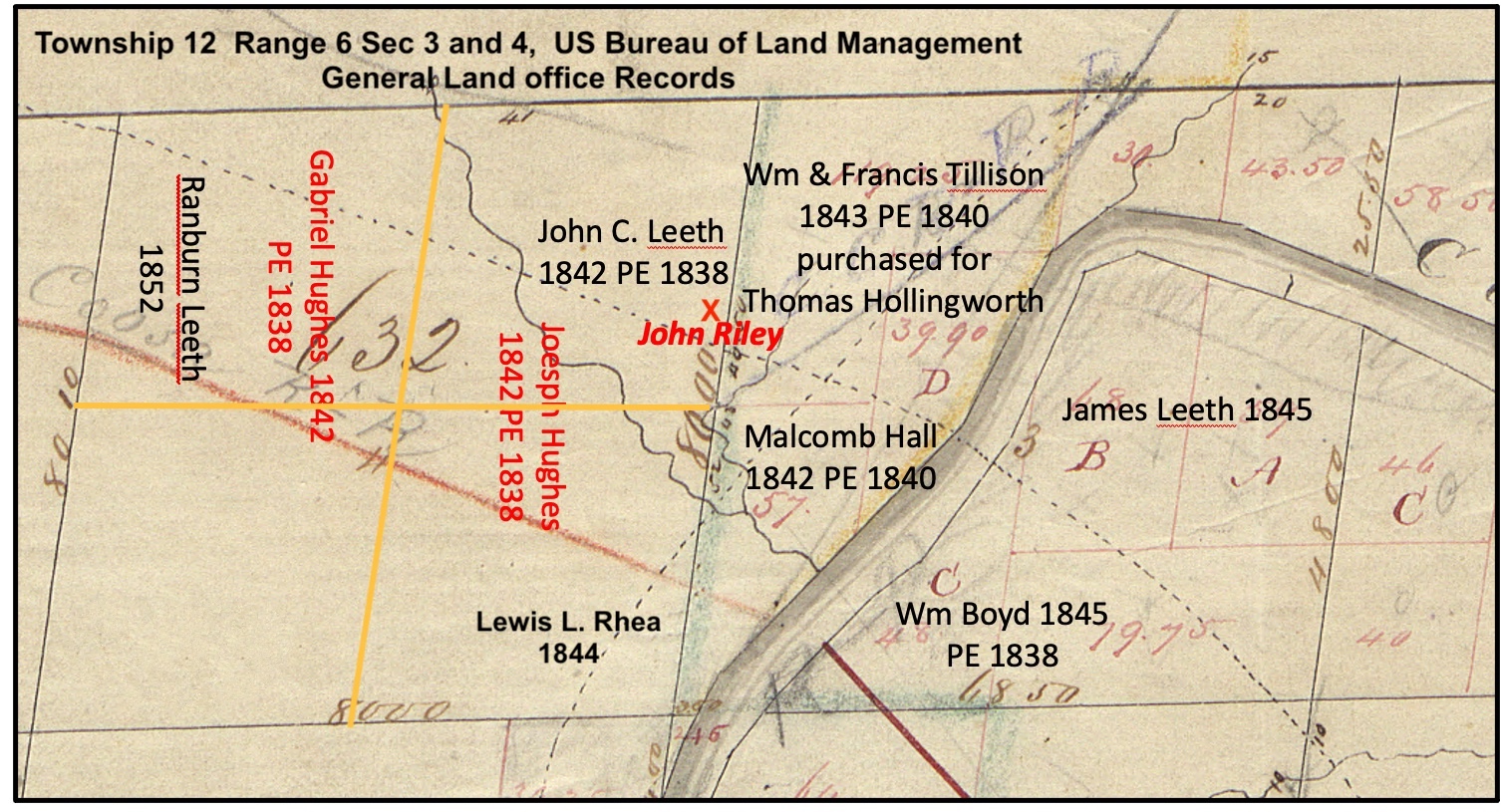
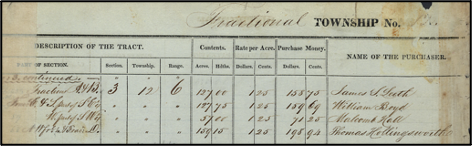
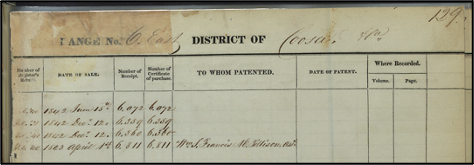
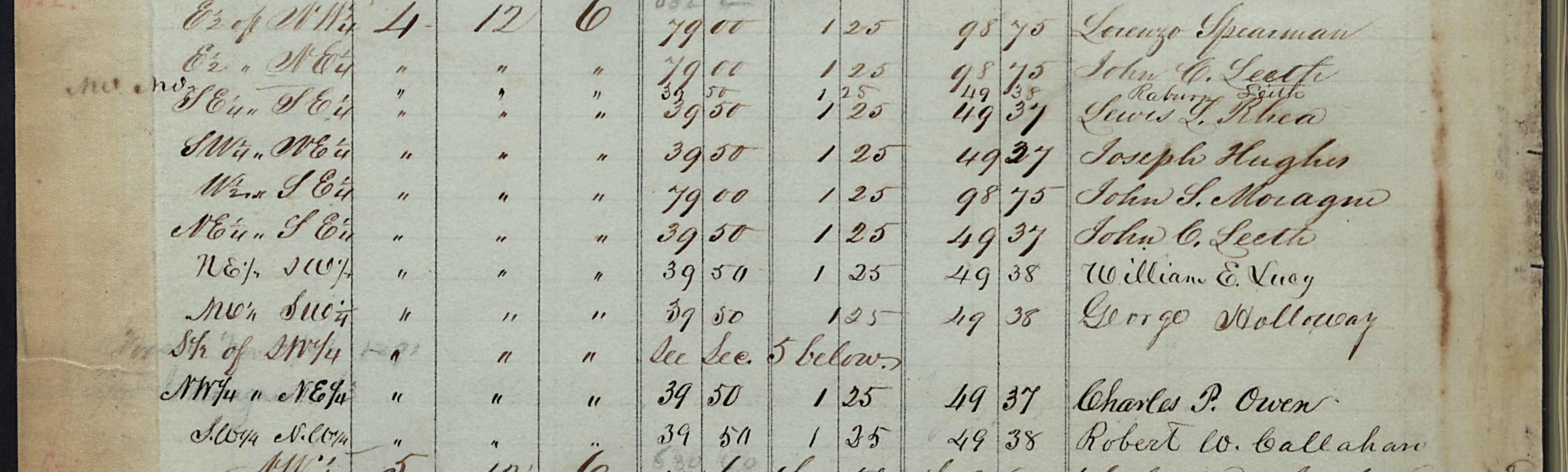
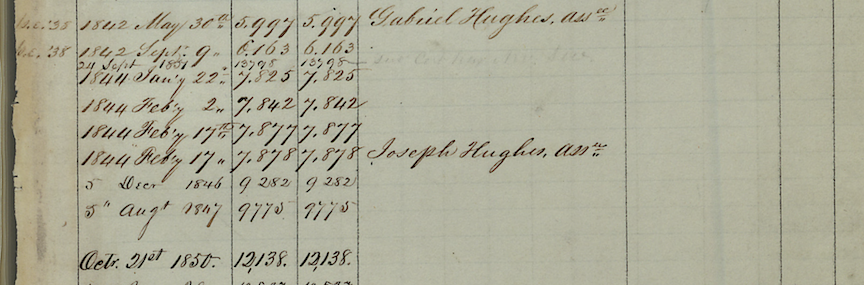
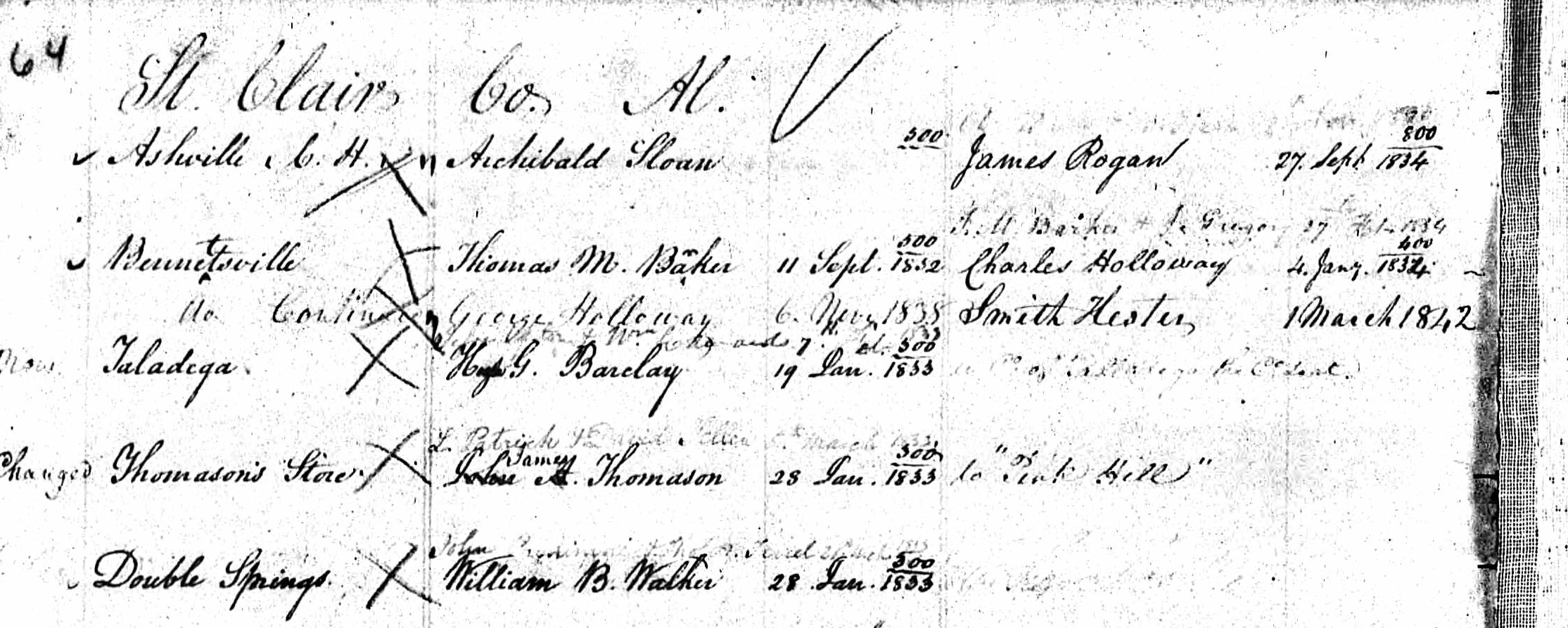

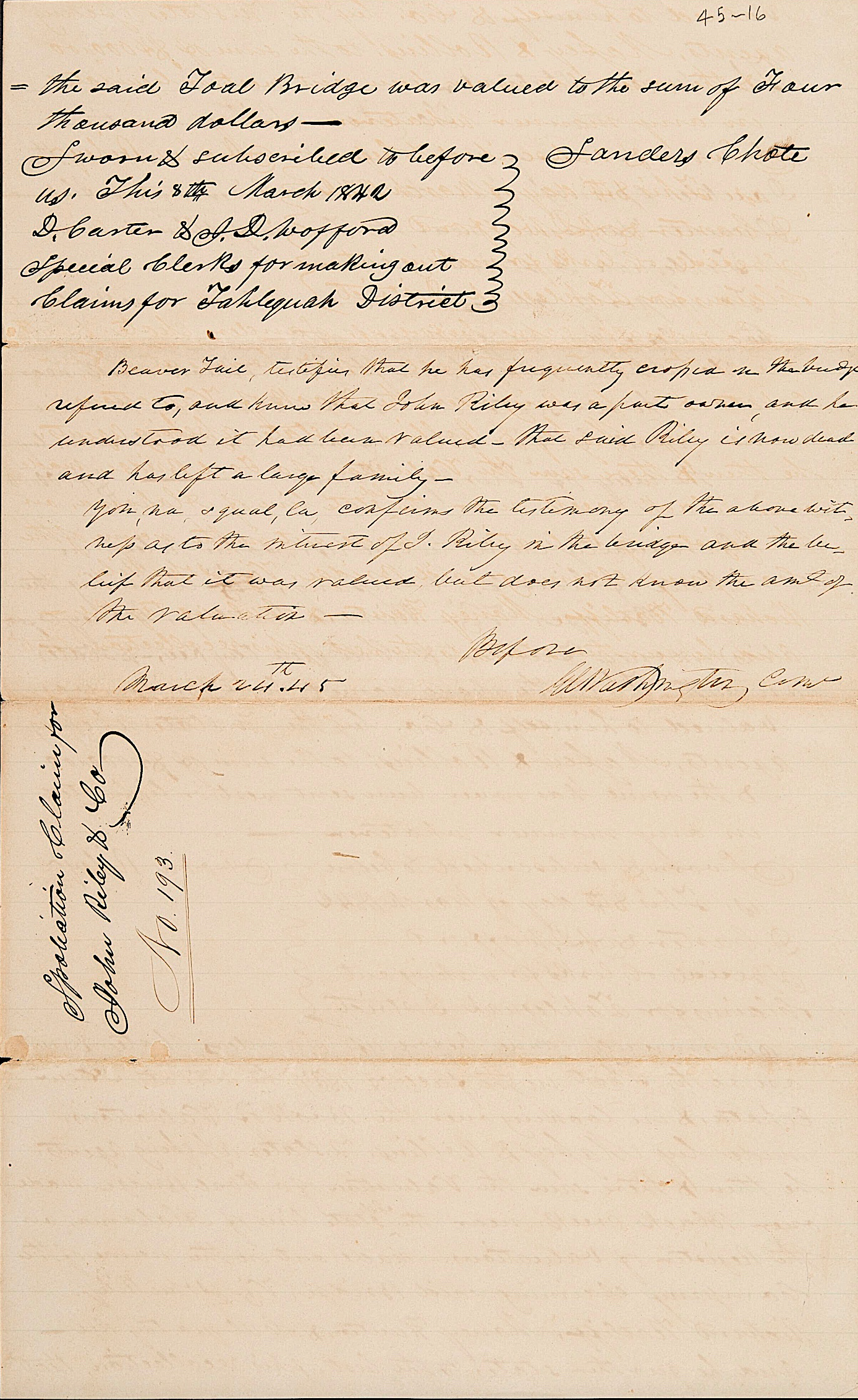

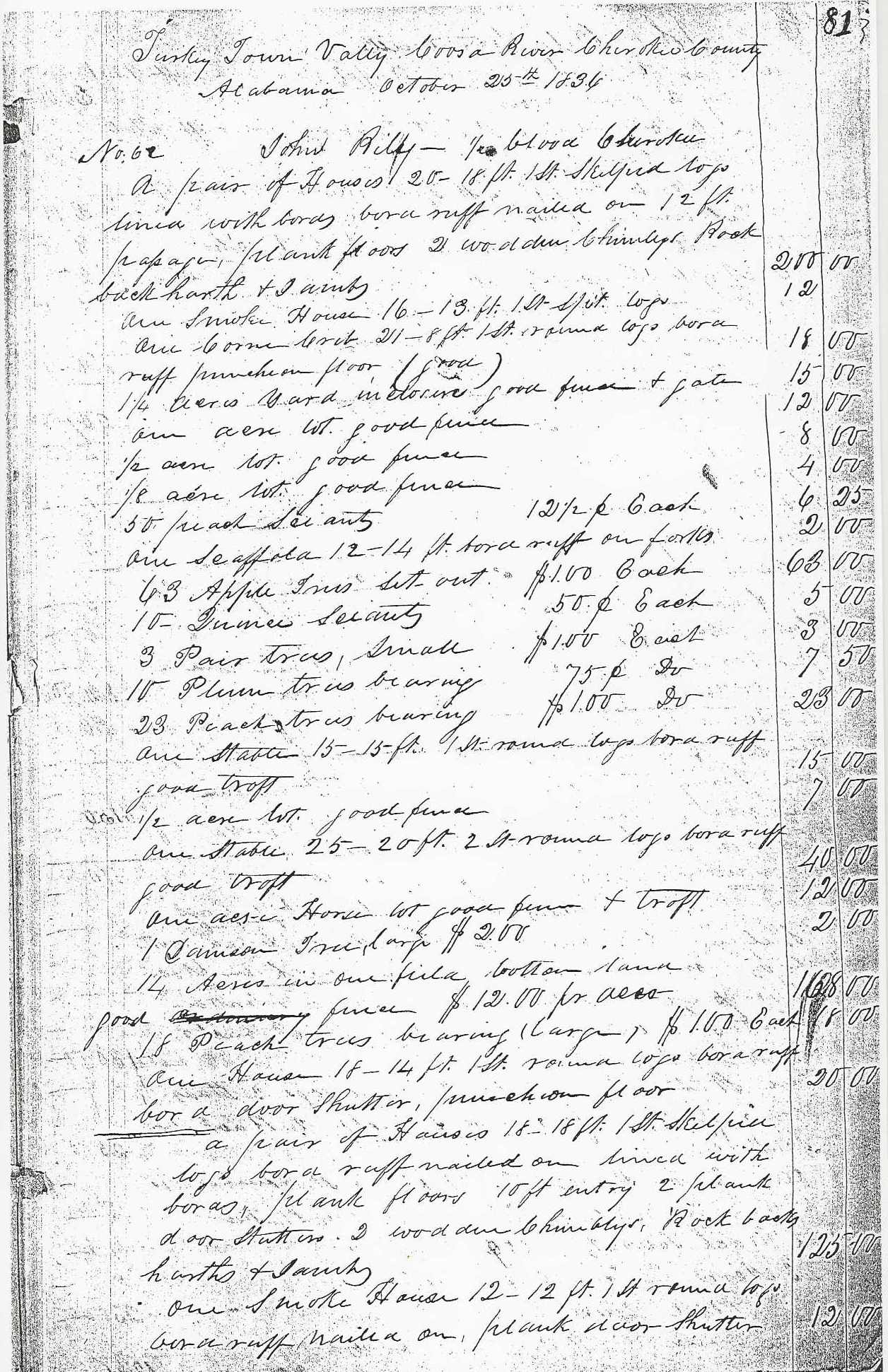
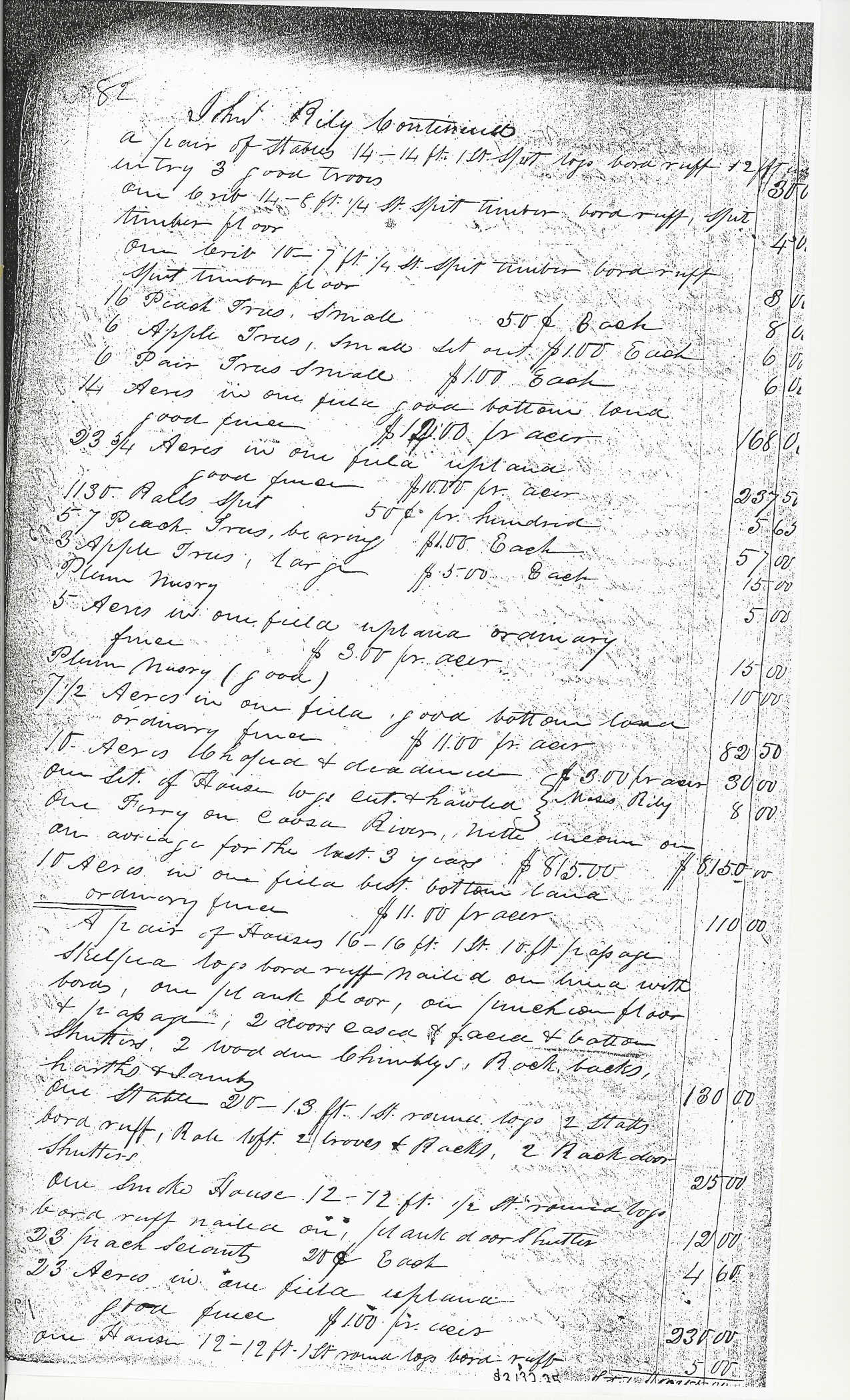
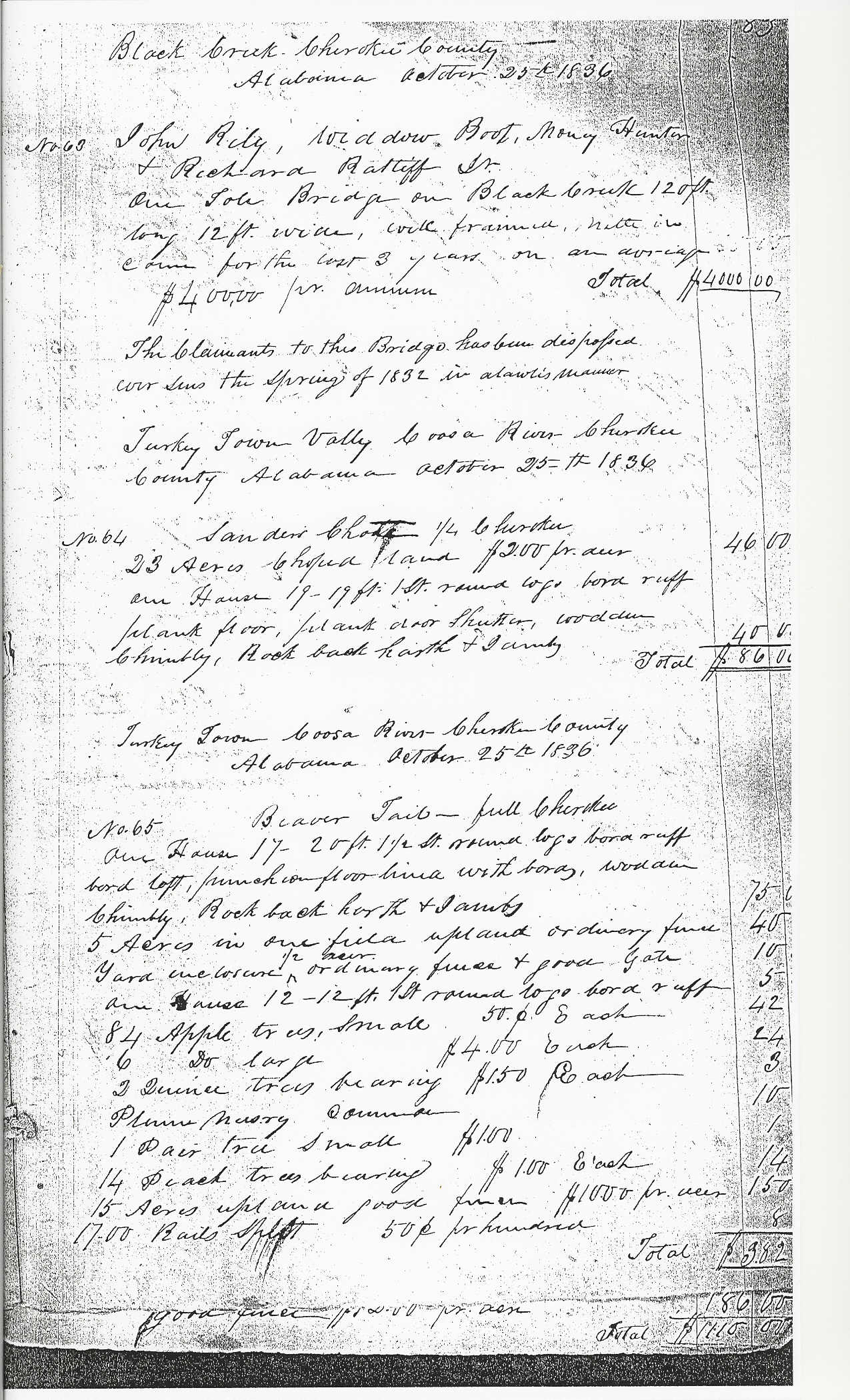
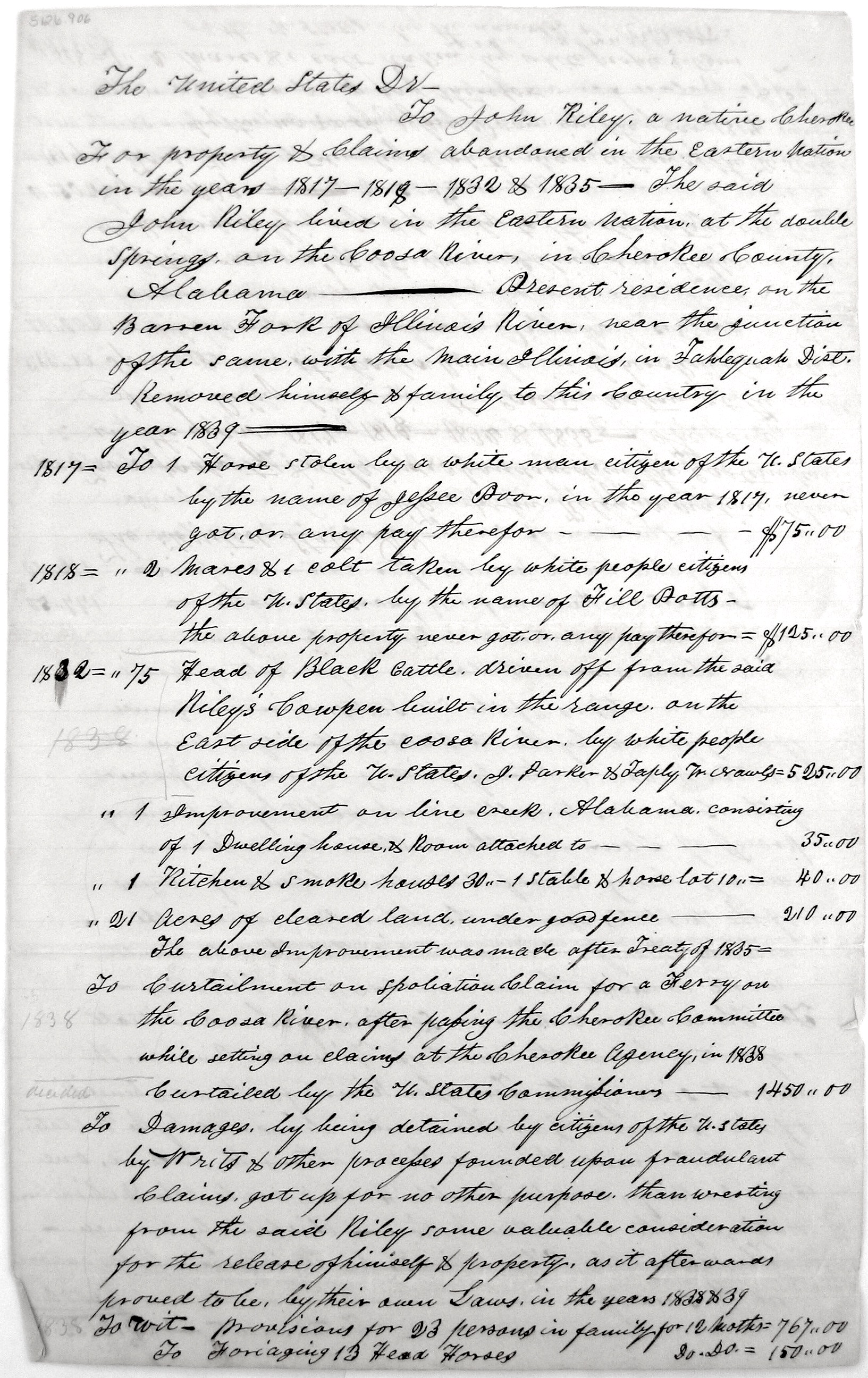

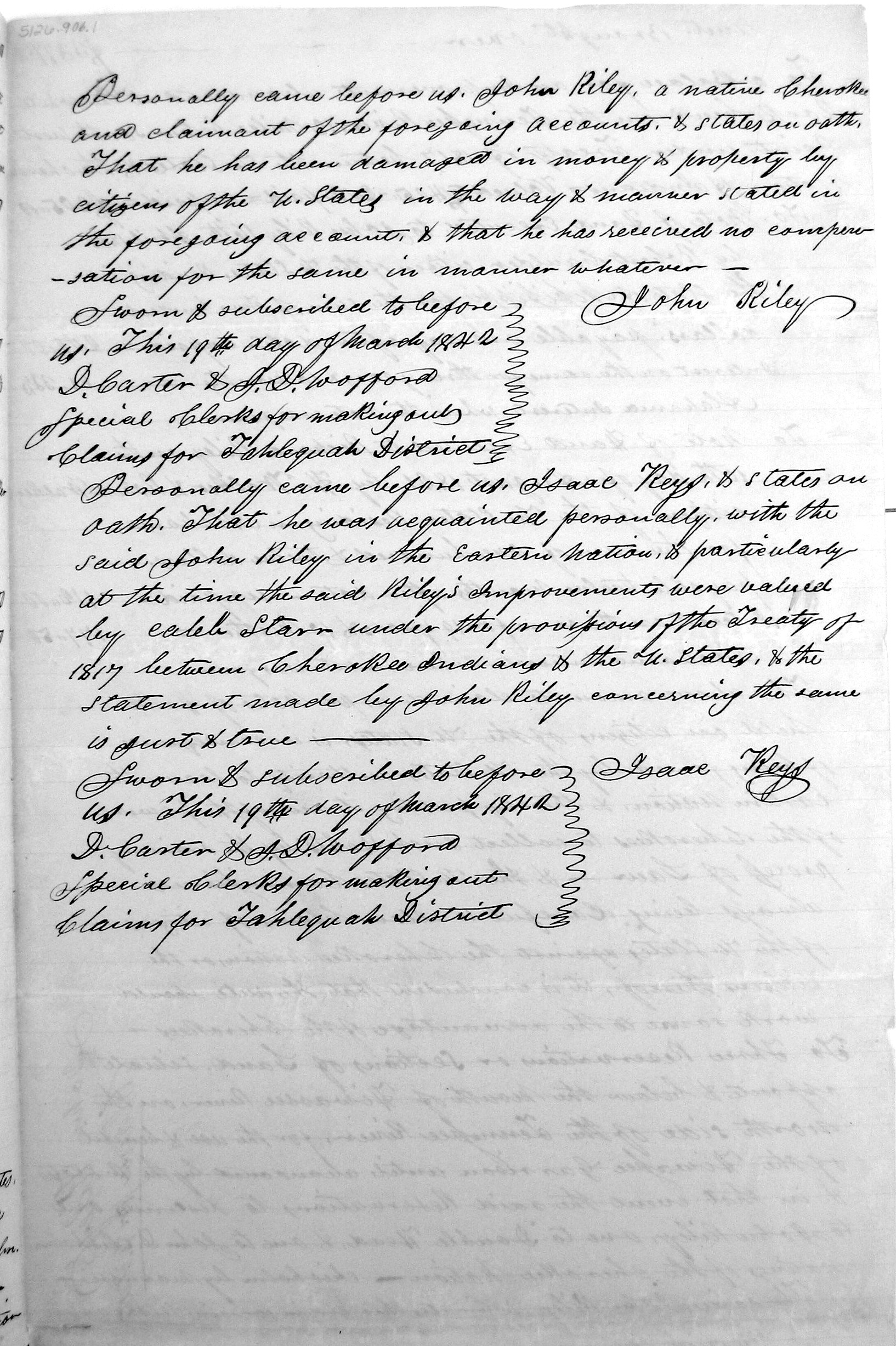
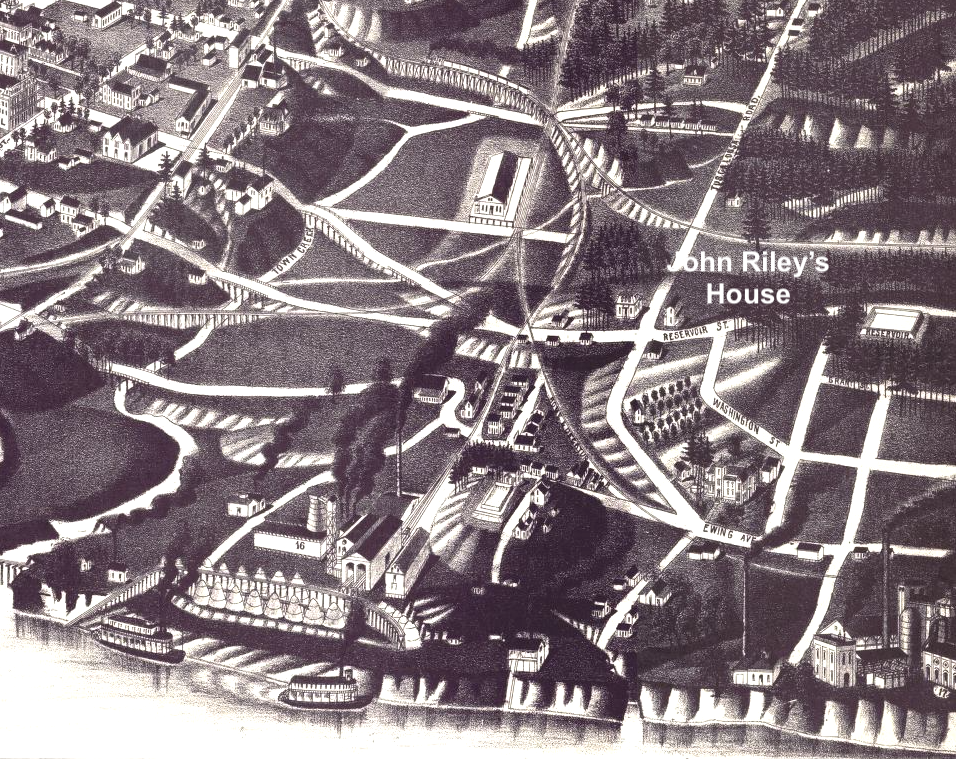


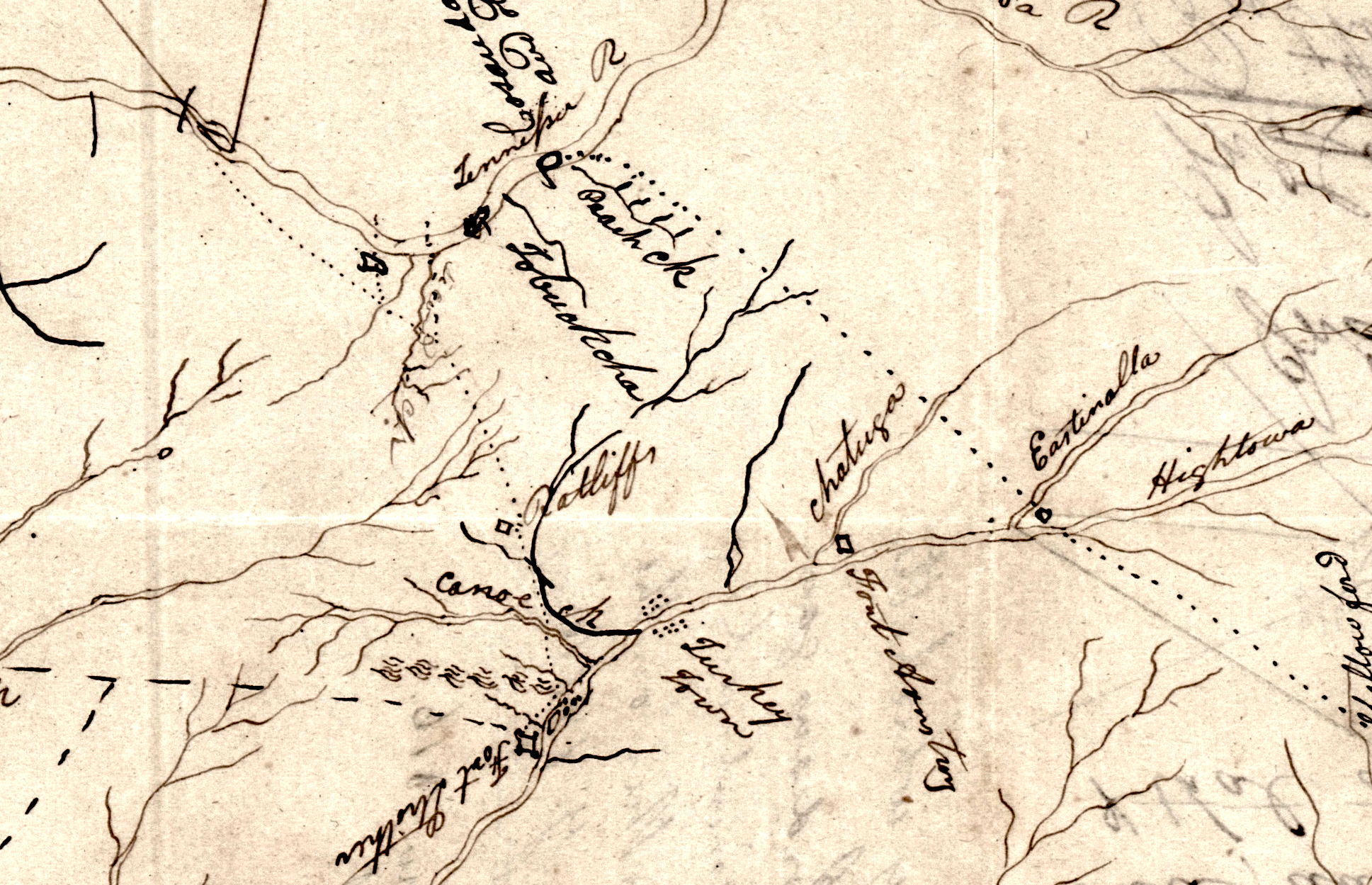
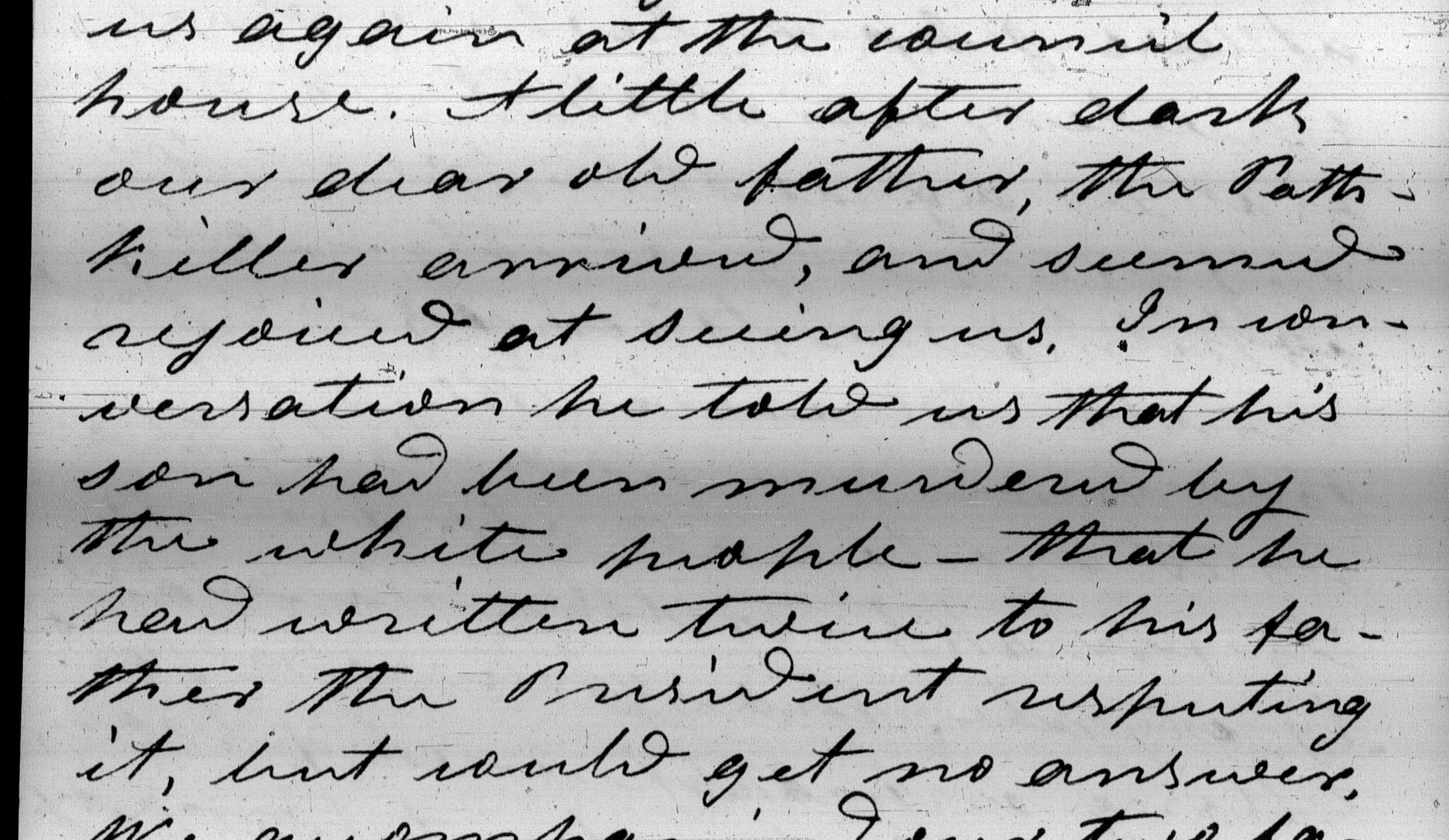
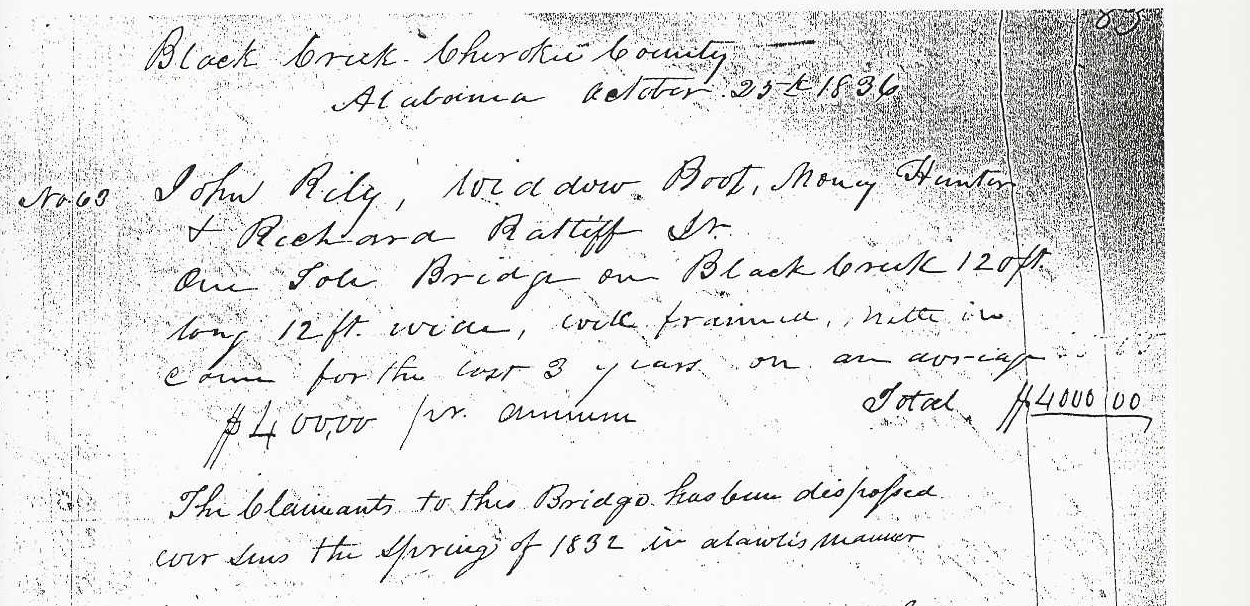
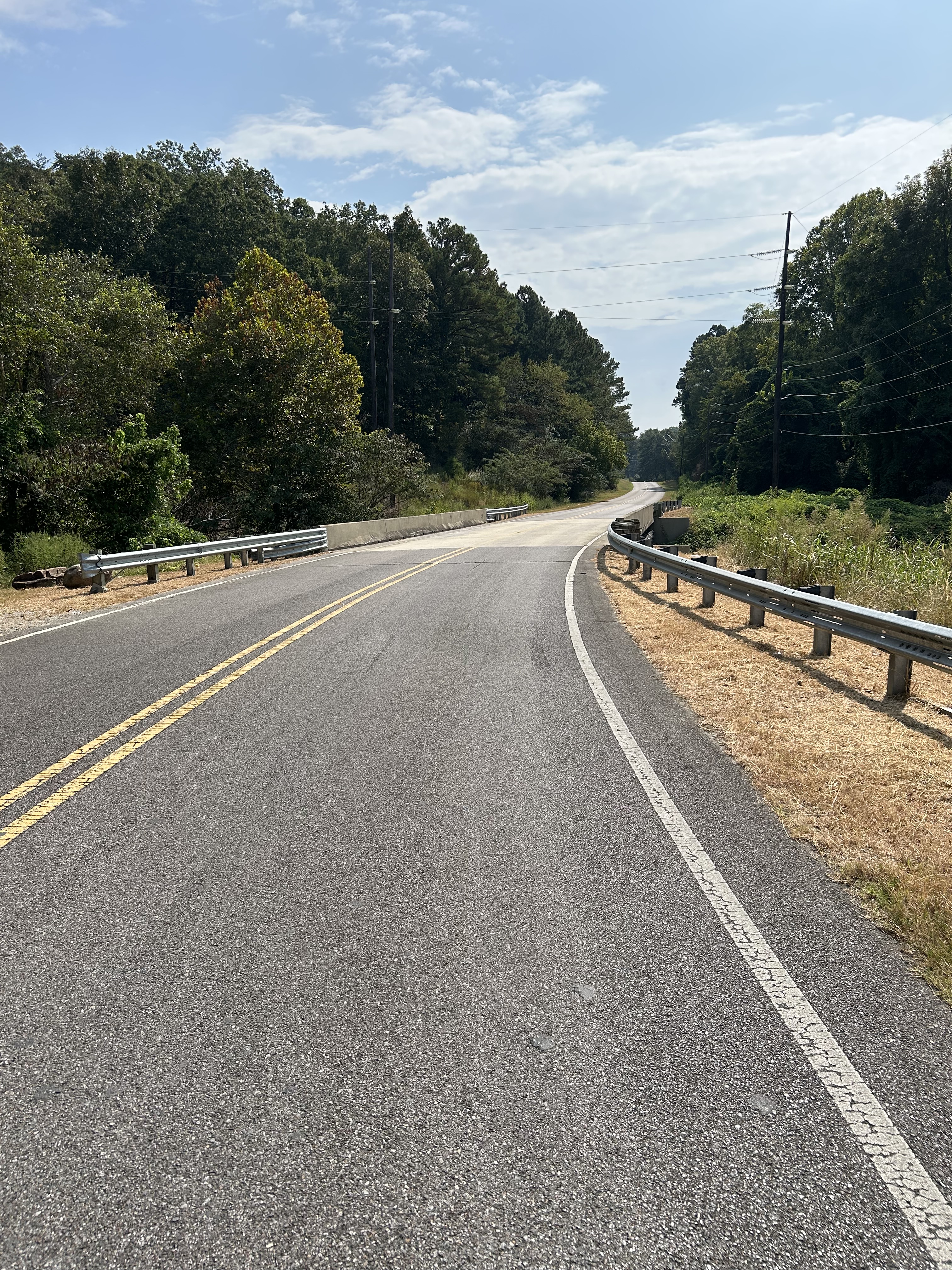
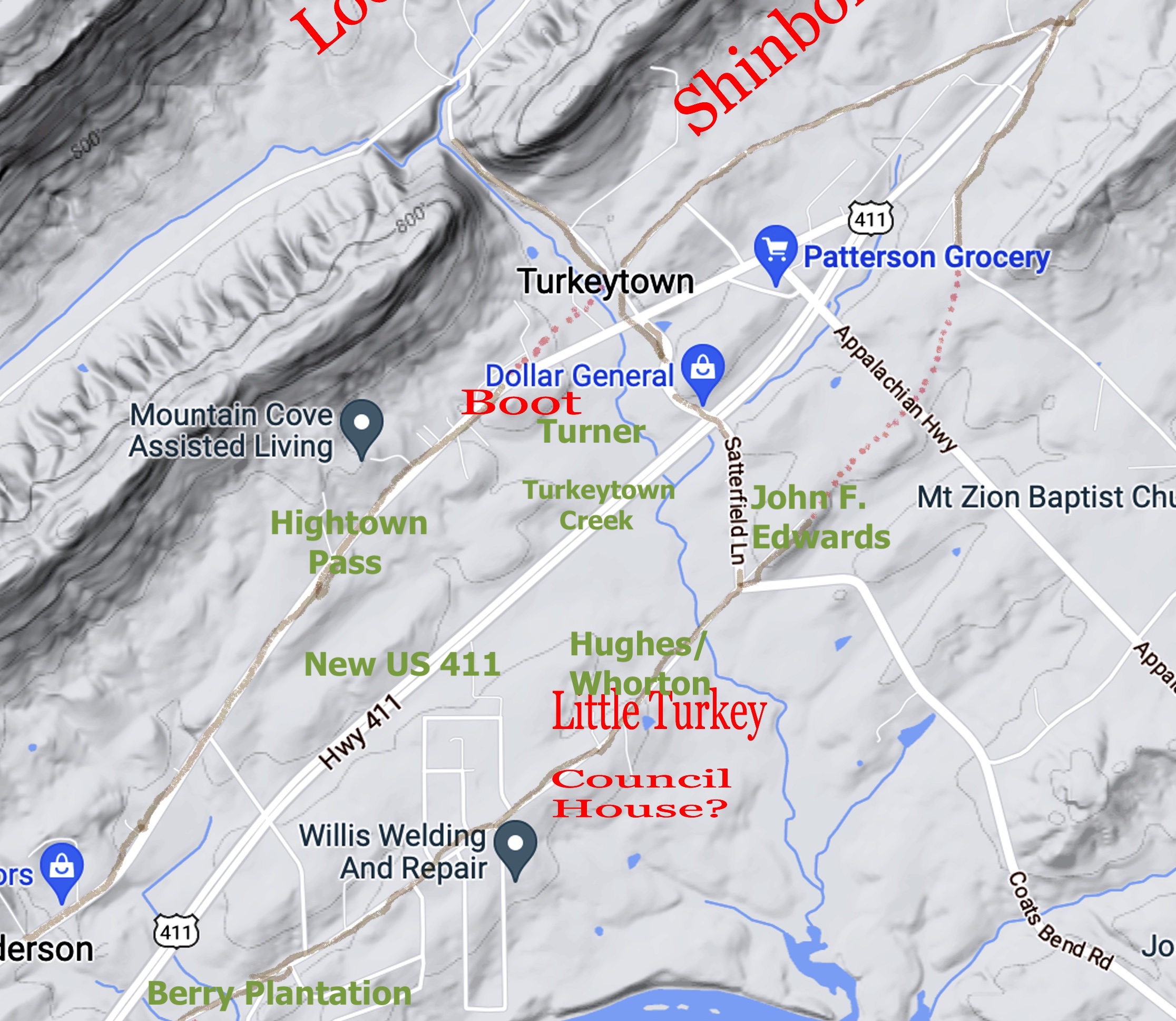
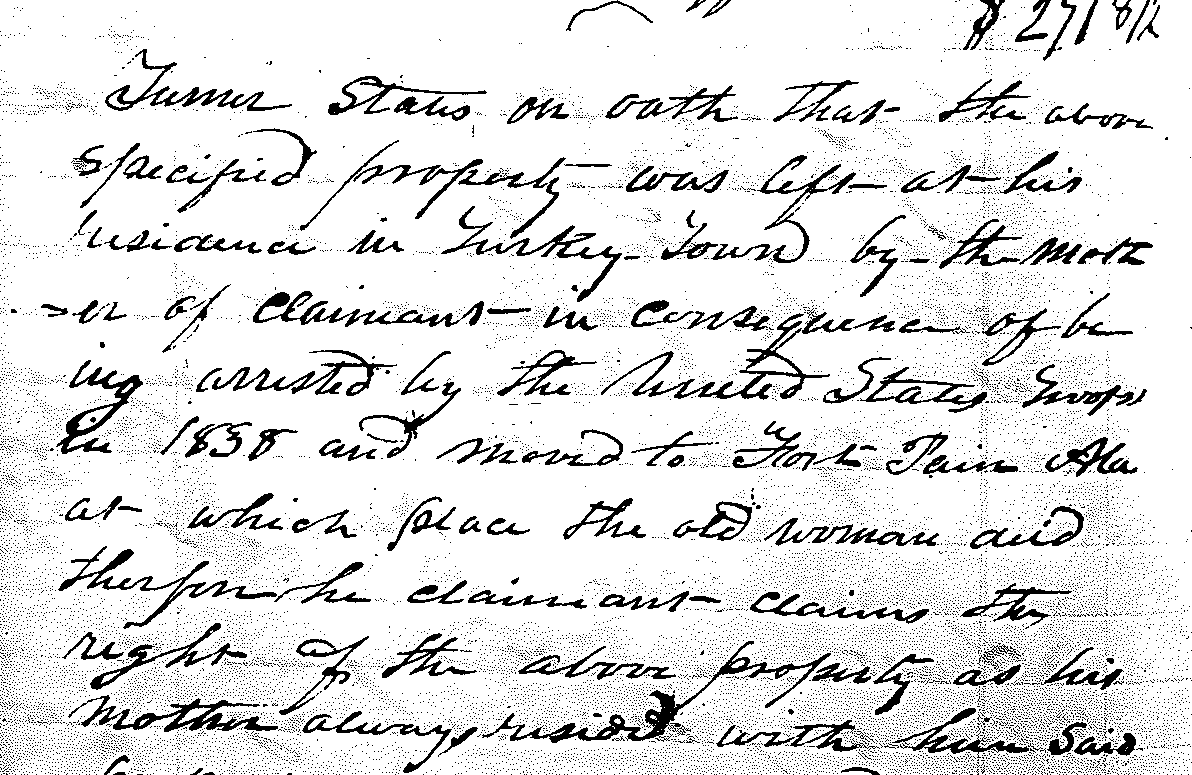
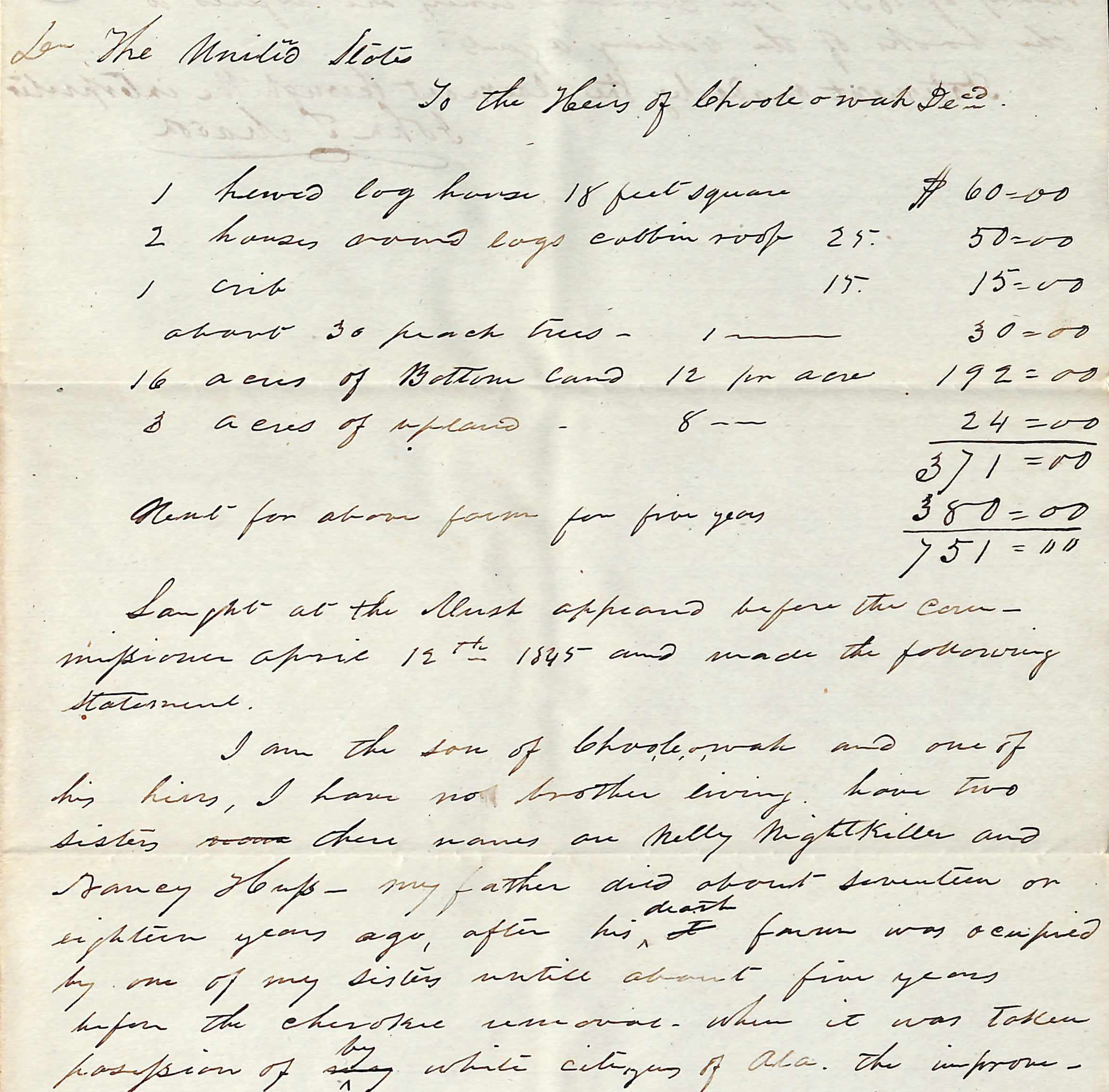
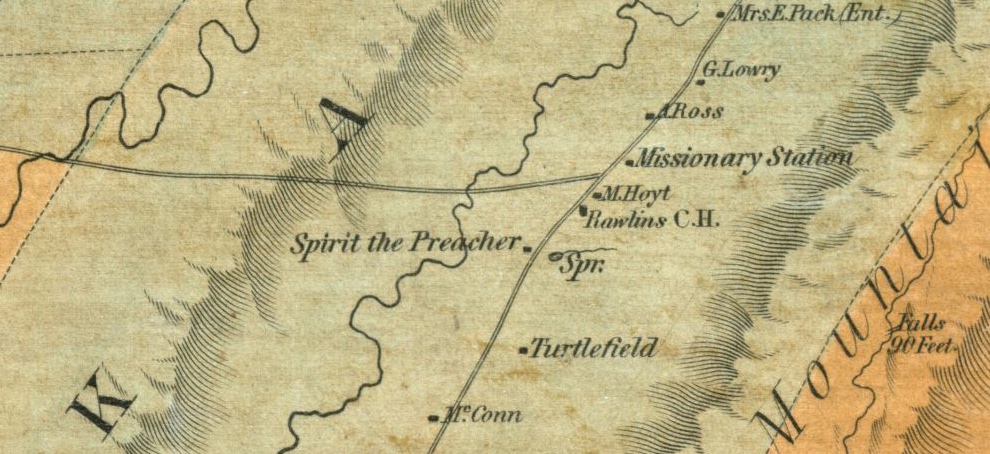



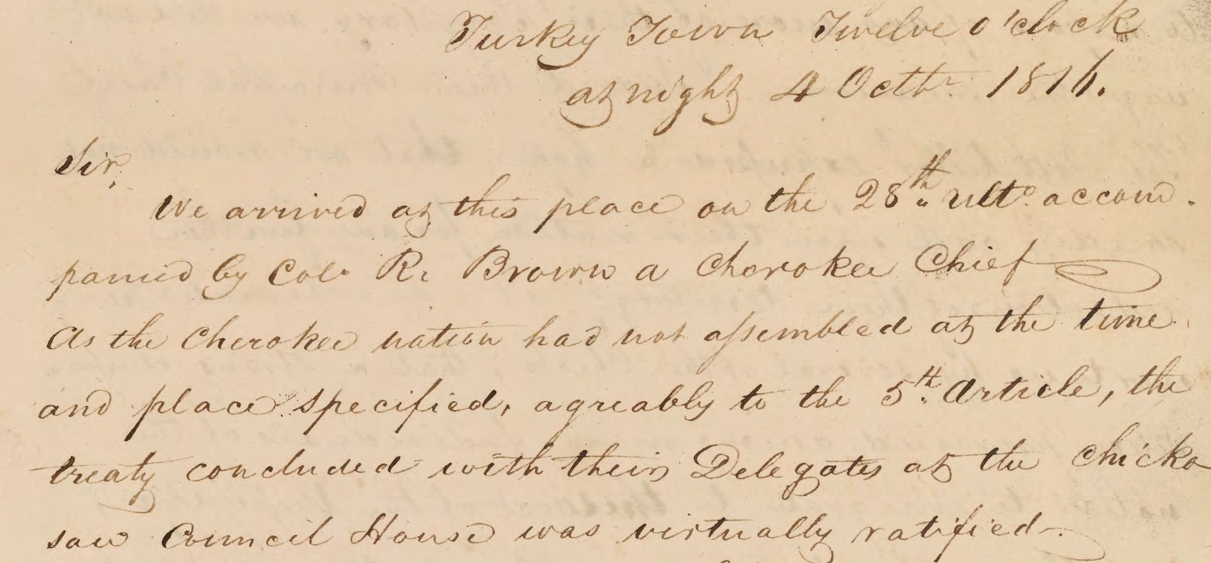
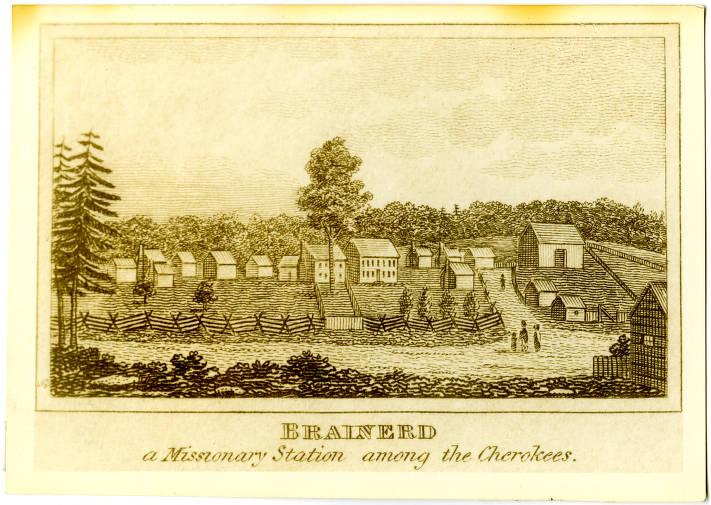
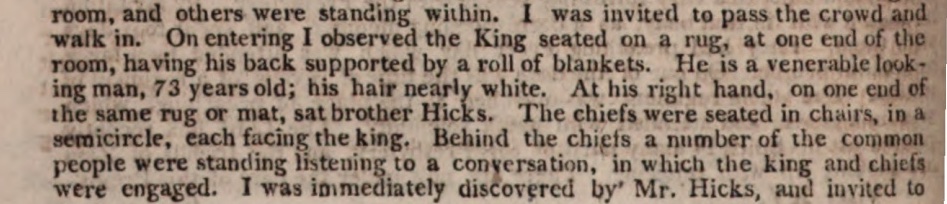


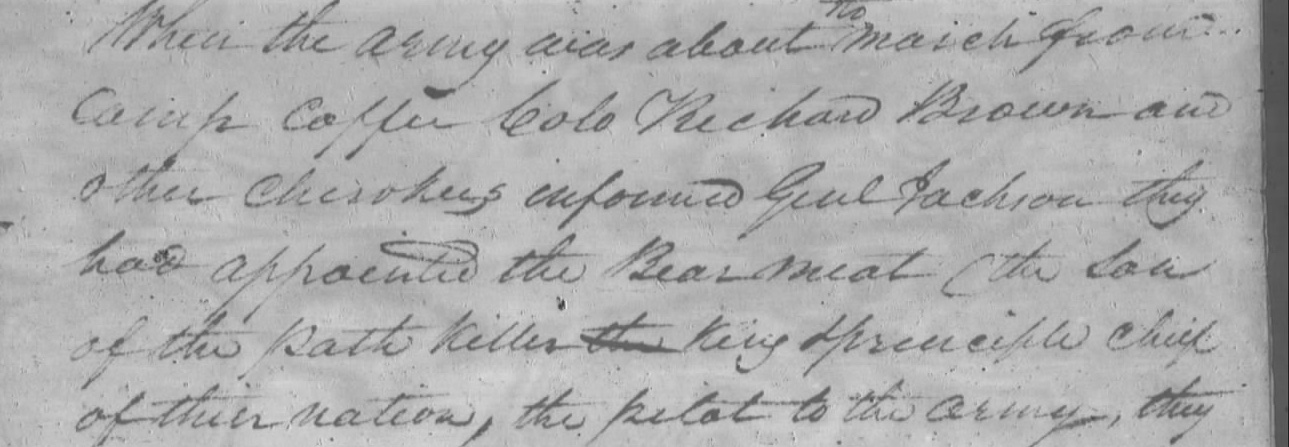
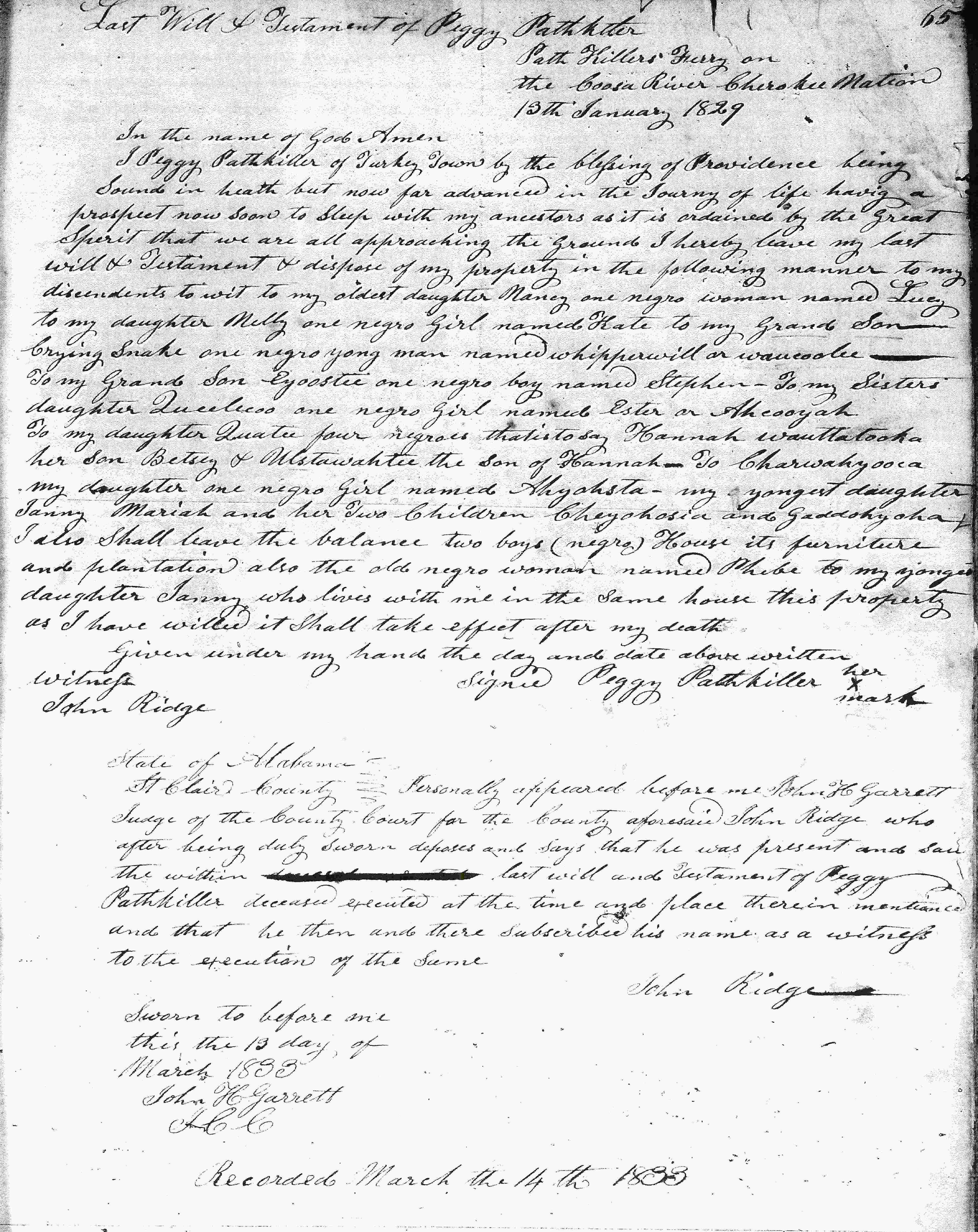
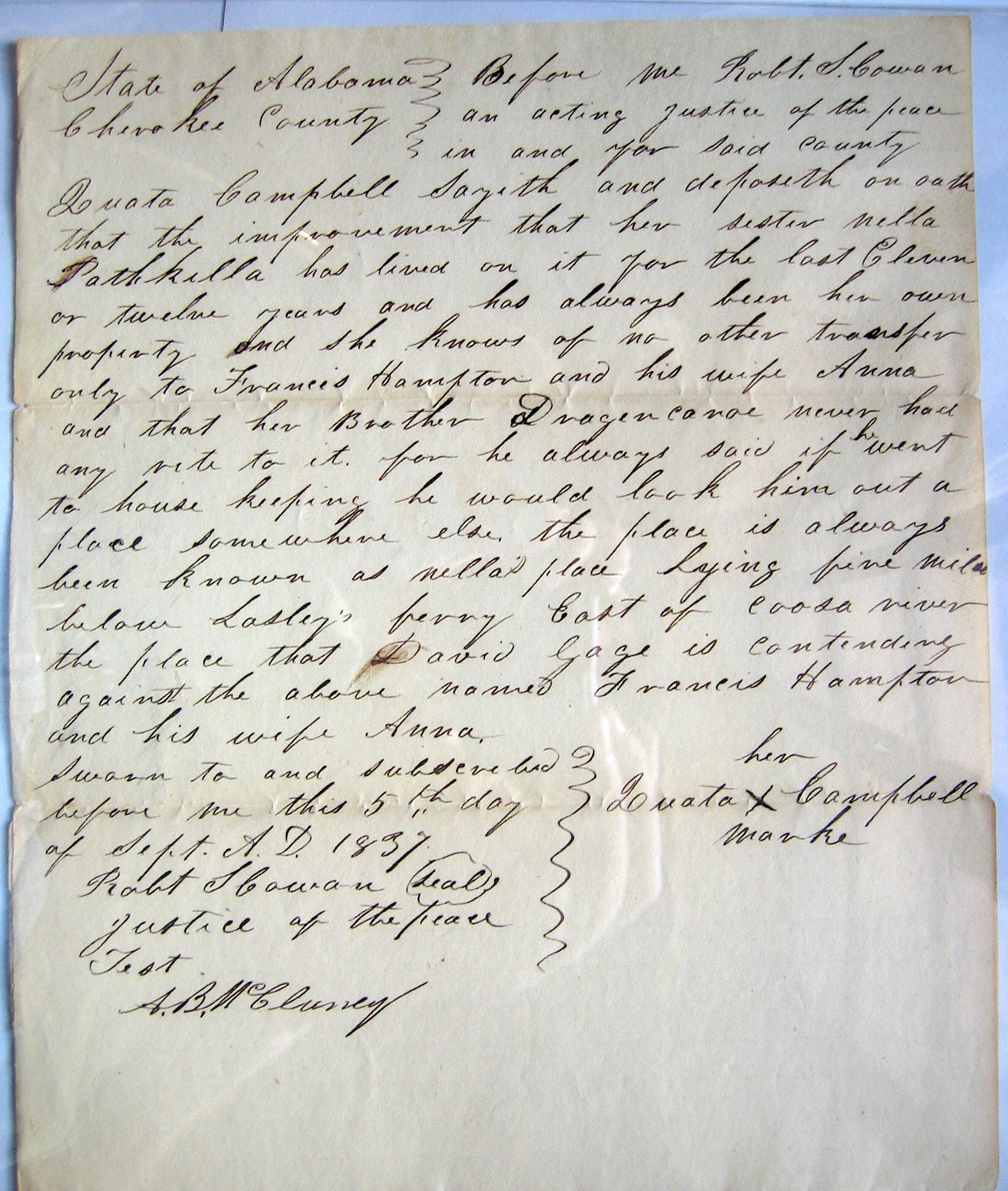
 New Seneca Turkey's Town